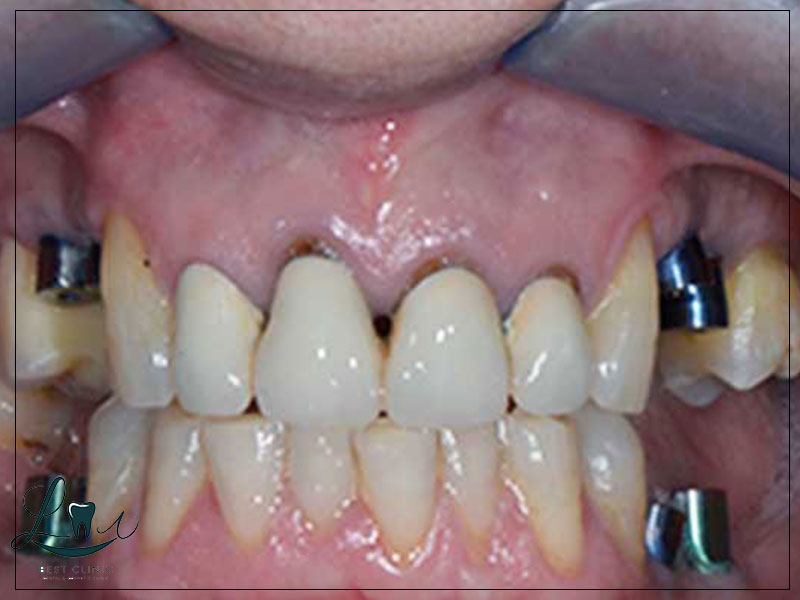
Full Mouth Dental Implants Procedure: 10 Essential Steps Every Patient Should Know
Full Mouth Dental Implants Procedure
Learn everything about the full mouth dental implants procedure, including steps, healing, recovery, costs, risks, and what to expect in Turkey.
Full Mouth Dental Implants Procedure: A Complete Patient Guide
Losing multiple teeth — or all teeth — can affect far more than appearance. Many patients struggle with eating, speaking, smiling confidently, and even social interaction. Traditional dentures may help temporarily, but they often slip, feel uncomfortable, and fail to provide the stability patients truly want.
This is why more people are choosing the full mouth dental implants procedure as a long-term solution.
Full mouth dental implants can completely restore the function, appearance, and strength of natural teeth using implant-supported restorations fixed securely into the jawbone.
But many patients still feel nervous before treatment because they do not fully understand the procedure.
How painful is it?
How long does it take?
How many implants are needed?
What happens during surgery?
This complete guide explains every stage of the full mouth dental implants procedure, from consultation to final smile restoration, so patients know exactly what to expect before beginning treatment.
What Is a Full Mouth Dental Implants Procedure?
A full mouth dental implants procedure is a comprehensive treatment used to replace all teeth in the upper jaw, lower jaw, or both arches using multiple dental implants and fixed prosthetic teeth.
Unlike removable dentures, implants are surgically inserted into the jawbone to create permanent support for the new teeth.
Common full mouth implant systems include:
- All-on-4
- All-on-6
- Implant-supported bridges
- Full arch zirconia restorations
The procedure is designed for patients who:
- Have lost most or all teeth
- Have severely damaged teeth
- Suffer from advanced gum disease
- Want a permanent alternative to dentures
Why Patients Choose Full Mouth Dental Implants
Many patients reach a point where individual crowns or bridges are no longer enough.
Full mouth implants offer several life-changing benefits.
Major Benefits
- Permanent fixed teeth
- Improved chewing strength
- Natural appearance
- Better speech clarity
- Increased confidence
- Prevention of jawbone loss
- No slipping dentures
- Long-term durability
Patients often describe the procedure as a major improvement in both quality of life and emotional confidence.
Who Is a Good Candidate for Full Mouth Dental Implants?
Not every patient requires the same treatment plan.
A full evaluation is necessary before surgery.
Ideal Candidates Often Have:
- Multiple missing teeth
- Failing teeth
- Advanced tooth decay
- Bone loss from missing teeth
- Difficulty wearing dentures
- Healthy gums or manageable gum disease
General health also matters because healing depends on the body’s ability to integrate implants into the bone.
Step 1: Initial Consultation and Smile Assessment
The first step in the full mouth dental implants procedure is a detailed consultation.
During this appointment, the dental team evaluates:
- Oral health
- Bone density
- Missing teeth
- Gum condition
- Bite alignment
- Facial structure
Modern clinics typically use:
- Digital scans
- 3D CBCT imaging
- Digital smile design
- Intraoral photography
These tools help create a customized treatment plan.
Step 2: Treatment Planning
After evaluation, the dentist designs the complete implant strategy.
This stage determines:
- Number of implants needed
- Implant placement locations
- Type of prosthetic teeth
- Bone graft requirements
- Surgical timeline
Every patient receives a personalized plan based on their anatomy and goals.
Step 3: Tooth Extraction (If Necessary)
Some patients still have damaged or infected teeth that must be removed before implant placement.
Extractions may be performed:
- Before implant surgery
- On the same day as implant placement
The decision depends on:
- Bone condition
- Infection levels
- Gum health
Modern extraction techniques aim to preserve as much bone as possible.
Step 4: Bone Grafting (When Needed)
Bone quality is critical for implant success.
If the jawbone is too thin or weak, additional support may be required.
Common Bone Support Procedures
Bone Grafting
Bone material is added to strengthen the jaw.
Sinus Lift
Used in the upper jaw when bone height is insufficient.
Not all patients need these procedures.
Techniques like All-on-4 were specifically developed to help many patients avoid major grafting.
Step 5: Implant Surgery
This is the central stage of the full mouth dental implants procedure.
During surgery:
- Titanium implants are placed into the jawbone
- Precise positioning is guided by digital planning
- Local anesthesia or sedation is used
Patients are often surprised that implant surgery is more comfortable than expected.
How Many Implants Are Used?
The number varies depending on the treatment type.
| Treatment Type | Typical Number of Implants |
|---|---|
| All-on-4 | 4 implants |
| All-on-6 | 6 implants |
| Full Mouth Individual Implants | 8–12 implants |
The implants act as artificial tooth roots supporting the final prosthetic teeth.
Step 6: Temporary Teeth Placement
Many clinics provide temporary fixed teeth on the same day or shortly after surgery.
This is often called:
- Immediate loading
- Same-day teeth
Temporary restorations allow patients to:
- Smile immediately
- Eat soft foods
- Maintain appearance during healing
However, patients must still follow healing instructions carefully.
Step 7: Healing and Osseointegration
After surgery, the jawbone needs time to fuse with the implants.
This biological process is called osseointegration.
Healing Timeline
Healing usually takes:
- 3 to 6 months
depending on:
- Bone quality
- Smoking habits
- Overall health
- Implant stability
During this period:
- The implants become permanently anchored
- Bone cells grow around the implant surface
- Stability increases gradually
This stage is essential for long-term implant success.
Step 8: Final Prosthetic Teeth Placement
Once healing is complete, the final teeth are attached.
These restorations are custom-made for:
- Natural appearance
- Comfortable bite
- Facial harmony
- Long-term strength
Popular materials include:
- Zirconia
- Porcelain
- Hybrid acrylic systems
The final smile is designed to match the patient’s facial proportions and preferences.
What Does Recovery Feel Like?
Most patients experience:
- Mild swelling
- Minor bleeding
- Temporary soreness
- Jaw sensitivity
These symptoms usually improve within several days.
Recovery Tips
Patients are typically advised to:
- Eat soft foods
- Avoid smoking
- Maintain oral hygiene
- Use prescribed medication
- Attend follow-up appointments
Following post-operative instructions greatly improves healing outcomes.
Is the Full Mouth Dental Implants Procedure Painful?
This is one of the most common patient concerns.
During surgery, anesthesia prevents pain.
After surgery, discomfort is usually manageable with medication.
Many patients say the procedure was easier than they expected.
Pain levels vary depending on:
- Number of implants
- Bone grafting
- Individual healing response
How Long Does the Full Mouth Dental Implants Procedure Take?
Treatment duration depends on complexity.
Typical Timeline
| Stage | Approximate Duration |
|---|---|
| Consultation & Planning | 1–2 days |
| Surgery | 1 day |
| Initial Recovery | 1–2 weeks |
| Osseointegration | 3–6 months |
| Final Teeth Placement | Several appointments |
Some patients complete treatment in two separate visits to Turkey.
Risks and Possible Complications
Like any surgical treatment, implants carry some risks.
Potential complications include:
- Infection
- Implant failure
- Gum inflammation
- Bone loss
- Nerve irritation
- Sinus complications
However, complication rates are generally low when treatment is performed by experienced implant specialists.
Success Rate of Full Mouth Dental Implants
Dental implants have one of the highest success rates in modern dentistry.
Studies consistently show success rates above 95% when patients maintain:
- Good oral hygiene
- Regular dental visits
- Healthy lifestyle habits
Smoking and uncontrolled medical conditions can negatively affect outcomes.
Full Mouth Dental Implants vs Dentures
Many patients compare implants with traditional removable dentures.
Comparison Table
| Feature | Full Mouth Implants | Traditional Dentures |
|---|---|---|
| Stability | Fixed | Removable |
| Chewing Ability | Strong | Limited |
| Bone Preservation | Yes | No |
| Comfort | High | Moderate |
| Appearance | Natural | Can shift |
| Long-Term Durability | Excellent | Lower |
| Maintenance | Easier | Requires adhesives |
Implants generally provide a more natural and stable long-term solution.
Why Many Patients Travel to Turkey for Full Mouth Implants
Turkey has become one of the leading destinations for implant dentistry.
International patients choose Turkey because of:
- Affordable prices
- Experienced implant surgeons
- Modern clinics
- Advanced technology
- Comprehensive dental tourism packages
Many clinics provide:
- Hotel accommodation
- Airport transfers
- Multilingual support
- Personalized treatment coordination
Compared to countries like the UK or USA, patients often save thousands of euros.
How to Choose the Right Clinic
The success of the full mouth dental implants procedure depends heavily on clinic quality.
Patients Should Look For:
- Experienced implant dentists
- Transparent treatment plans
- International patient reviews
- Advanced imaging technology
- Sterilization standards
- High-quality implant brands
Choosing based only on low prices can increase long-term risks.
Why Choose Lumira Clinic for Full Mouth Dental Implants?
At Lumira Clinic, patients receive customized full mouth implant treatment designed around function, aesthetics, and long-term stability.
The clinic focuses on:
- Digital implant planning
- Modern surgical technology
- High-quality implant systems
- Natural-looking smile restoration
- International patient care
Each treatment plan is tailored to the patient’s bone structure, oral health, and smile goals.
Final Thoughts on the Full Mouth Dental Implants Procedure
The full mouth dental implants procedure is one of the most advanced and transformative treatments in modern dentistry.
For patients struggling with missing teeth, failing dental work, or unstable dentures, full mouth implants can restore:
- Confidence
- Comfort
- Chewing ability
- Facial aesthetics
- Long-term oral health
Although the process requires careful planning and healing time, many patients consider it one of the best investments they have ever made in their health and quality of life.
The key to success is choosing an experienced clinic that prioritizes safety, technology, and personalized care.
Frequently Asked Questions
What is the full mouth dental implants procedure?
It is a treatment that replaces all missing teeth using multiple dental implants and fixed prosthetic teeth.
How long does the full mouth dental implants procedure take?
The full process usually takes several months because implants need time to integrate with the jawbone.
Is full mouth implant surgery painful?
Most patients experience mild discomfort rather than severe pain, especially with modern anesthesia and medication.
How many implants are needed for full mouth restoration?
Most treatments use 4 to 6 implants per arch, depending on the patient’s needs.
Can I get teeth immediately after implant surgery?
Yes. Many patients receive temporary teeth on the same day or shortly after surgery.
Are full mouth dental implants permanent?
Dental implants are designed to be long-lasting and may last decades with proper care.
Who is not suitable for full mouth implants?
Patients with severe uncontrolled health conditions or inadequate bone may require additional treatment before implants.
Why is Turkey popular for full mouth dental implants?
Turkey offers advanced implant dentistry at lower costs compared to many Western countries.