Dental Implant Healing Process: 10 Essential Stages Every Patient Should Understand
Dental Implant Healing Process
Learn the dental implant healing process step by step, including recovery stages, timeline, swelling, pain levels, and tips for faster healing.
Dental Implant Healing Process: What Really Happens After Surgery
Understanding the dental implant healing process is one of the most important parts of preparing for treatment. Many patients focus only on the surgery itself, but in reality, long-term success depends on how well the body heals afterward.
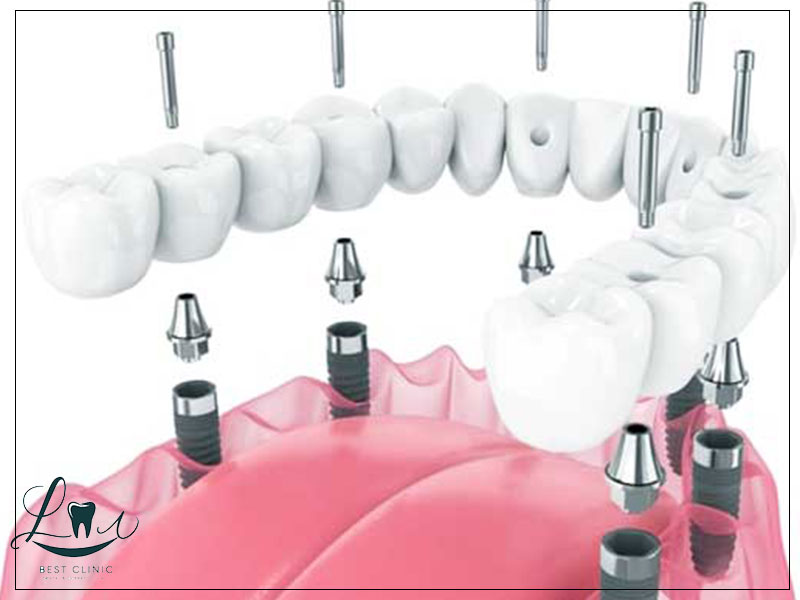
After a dental implant is placed into the jawbone, it doesn’t immediately function like a natural tooth. Instead, the body must go through a biological process where bone cells grow around the implant and lock it firmly in place. This stage is called osseointegration, and it is the foundation of implant success.
For many patients, uncertainty about healing causes anxiety. They want to know:
- Will it hurt during recovery?
- How long does healing take?
- What is normal and what is not?
- When can I eat normally again?
This complete guide explains the dental implant healing process in detail so patients know exactly what to expect from the first day after surgery to full recovery.
What Is the Dental Implant Healing Process?
The dental implant healing process is the biological recovery phase after a titanium implant is placed into the jawbone.
It includes:
- Gum healing
- Bone regeneration
- Osseointegration (bone bonding to implant)
- Tissue stabilization
- Final prosthetic integration
Unlike other dental treatments, implants require deep internal healing inside the bone — not just surface recovery.
Why the Dental Implant Healing Process Is So Important
The healing phase determines whether the implant will succeed long-term.
If healing goes well:
- Implant becomes stable
- Bone integrates properly
- Chewing function is restored
- Long-term success rate increases
If healing is compromised:
- Implant may loosen
- Infection may occur
- Bone loss can develop
This is why aftercare is just as important as the surgery itself.
Dental Implant Healing Process Timeline
Healing does not happen overnight. It follows a predictable biological timeline.
Overview Timeline
| Stage | Time Period | What Happens |
|---|---|---|
| Initial healing | 24–72 hours | Swelling, clot formation |
| Early gum healing | 1–2 weeks | Tissue closure begins |
| Bone integration starts | 2–6 weeks | Bone cells attach |
| Osseointegration | 3–6 months | Implant fuses with bone |
| Final stabilization | 6+ months | Full strength achieved |
Stage 1: First 24–72 Hours After Implant Surgery
The first few days are the most sensitive part of the dental implant healing process.
What Patients Experience:
- Mild swelling
- Minor bleeding
- Tender gums
- Jaw stiffness
This is completely normal and expected.
What Happens Inside the Body:
- Blood clot forms around implant site
- Early tissue repair begins
- Inflammation supports healing process
Important Care Instructions:
- Apply ice packs
- Avoid hot food
- Rest properly
- Take prescribed medication
Stage 2: First Week of Healing
During the first week, discomfort begins to decrease.
Symptoms:
- Reduced swelling
- Mild soreness
- Gum sensitivity
- Slight bruising
What Is Happening Biologically:
- Gum tissue starts closing
- Infection risk decreases
- Initial stability improves
Patients should avoid:
- Smoking
- Hard foods
- Intense physical activity
Stage 3: Weeks 2–4 – Early Tissue Recovery
At this stage, external healing is usually noticeable.
What Patients Feel:
- Almost normal comfort
- Minimal pain
- Improved chewing ability (soft foods)
Internal Healing:
- Gum tissue fully seals
- Bone regeneration begins
- Implant becomes more stable
This stage is critical for preventing complications.
Stage 4: Bone Integration Begins (Weeks 4–8)
This is where the real dental implant healing process happens internally.
What Is Happening:
- Bone cells attach to implant surface
- New bone starts forming
- Stability increases gradually
This process is not visible but extremely important.
Stage 5: Osseointegration Phase (3–6 Months)
Osseointegration is the most important stage of healing.
Osseointegration=Bone growth directly bonding to implant surface
Why It Matters:
This is the phase where the implant becomes part of the jawbone.
What Patients Experience:
- No pain in most cases
- Normal daily function
- Gradual strengthening of implant
What Is Happening Inside:
- Bone fully surrounds implant
- Stability becomes permanent
- Load-bearing ability increases
Stage 6: Final Stabilization (After 6 Months)
At this stage, the implant is fully integrated.
What Happens:
- Implant reaches maximum strength
- Ready for permanent crown or bridge
- Full chewing function restored
Patients often forget they even have implants because they feel so natural.
What Affects the Dental Implant Healing Process?
Several factors influence healing speed and quality.
1. Bone Quality
Stronger bone = faster integration
2. Smoking
Smoking slows healing and increases failure risk
3. Oral Hygiene
Clean gums heal faster and more predictably
4. Medical Conditions
Conditions like diabetes can affect healing time
5. Implant Placement Accuracy
Precise surgical planning improves outcomes
Pain During the Dental Implant Healing Process
Many patients worry about pain during healing.
What Is Normal:
- Mild soreness for a few days
- Swelling for 2–5 days
- Tender gums for 1–2 weeks
What Is NOT Normal:
- Severe increasing pain
- Pus or infection
- Implant movement
Pain usually decreases significantly after the first week.
What Helps Speed Up Healing?
Patients can actively improve their recovery.
Best Healing Tips:
- Follow dentist instructions strictly
- Eat soft foods
- Avoid smoking completely
- Maintain oral hygiene
- Attend follow-up appointments
- Use prescribed medications properly
Small habits significantly improve long-term success.
Diet During Dental Implant Healing Process
Food plays a major role in recovery.
Recommended Foods:
- Yogurt
- Mashed vegetables
- Soup
- Eggs
- Smooth smoothies
Foods to Avoid:
- Hard nuts
- Sticky foods
- Very hot meals
- Alcohol
- Carbonated drinks (early stage)
Possible Complications During Healing
Complications are rare but possible.
Risks Include:
- Infection
- Implant failure
- Gum inflammation
- Bone loss
- Delayed healing
Early detection ensures better outcomes.
Dental Implant Healing vs Tooth Extraction Healing
Implant healing is often easier than extraction healing.
| Feature | Implant Healing | Tooth Extraction |
|---|---|---|
| Pain | Mild | Moderate |
| Swelling | Lower | Higher |
| Recovery Time | Predictable | Variable |
| Long-term outcome | Permanent solution | Temporary |
Can You Work During Healing?
Yes — most patients return to work within 1–3 days.
However, patients should avoid:
- Heavy lifting
- Intense exercise
- Smoking or alcohol
When Can You Eat Normally Again?
Eating depends on healing stage.
Timeline:
- Days 1–3: Liquid diet
- Week 1: Soft foods
- Weeks 2–4: Semi-soft foods
- After 1–2 months: Normal diet (with caution)
Full chewing strength returns after final crown placement.
Why Many Patients Choose Turkey for Dental Implant Healing
Turkey has become a global center for implant dentistry due to:
- Advanced healing protocols
- Experienced implant specialists
- Digital treatment planning
- Affordable treatment costs
- High-quality clinics
Many clinics also offer:
- Hotel accommodation
- Airport transfers
- Multilingual support
- Personalized recovery monitoring
Why Choose Lumira Clinic for Implant Healing Support
At Lumira Clinic, patient recovery is carefully monitored throughout every stage of the dental implant healing process.
The clinic focuses on:
- Precise implant placement
- Digital healing tracking
- Personalized aftercare plans
- International patient support
- Long-term implant success
Each patient receives detailed guidance to ensure smooth and predictable healing.
Final Thoughts on the Dental Implant Healing Process
The dental implant healing process is a gradual but highly predictable biological journey.
While the first few days involve mild discomfort, the long-term healing phase is what ensures implant strength and durability.
Most patients find that:
- Early healing is quick and manageable
- Long-term integration feels natural
- Final results are life-changing
With proper care, dental implants become a stable, long-lasting solution that restores both function and confidence.
Frequently Asked Questions
How long does dental implant healing take?
Healing usually takes 3 to 6 months for full bone integration.
Is the dental implant healing process painful?
Most patients experience mild discomfort for a few days, not severe pain.
When can I eat normally after implants?
Most patients return to normal eating after 1–2 months, depending on healing.
What is osseointegration?
It is the process where bone grows around the implant and locks it in place.
Can I smoke during healing?
Smoking is strongly discouraged as it delays healing and increases failure risk.
How do I know if my implant is healing properly?
No severe pain, reduced swelling, and stable gums are good signs.
What is the most important stage of healing?
Osseointegration is the most critical stage for long-term success.
Can dental implants fail during healing?
Yes, but failure is rare when proper care and professional treatment are followed.