Are Veneers Permanent? 12 Truths About Lifespan, Durability & Long-Term Results Explained
Are Veneers Permanent?
Are veneers permanent? Learn how long veneers last, whether they are reversible, and what to expect from long-term maintenance and replacement.
Introduction
If you are considering a smile makeover, one of the most common questions is: are veneers permanent?
Veneers are one of the most popular cosmetic dental treatments in the world because they can completely transform the appearance of teeth. However, many patients misunderstand what “permanent” actually means in dentistry.
The truth is, veneers are not permanent in the absolute sense, but they are a long-term, irreversible dental treatment that can last many years with proper care.
In this guide, we will clearly explain everything you need to know about are veneers permanent, how long they last, whether they can be reversed, and what happens after years of use.
What Are Dental Veneers?
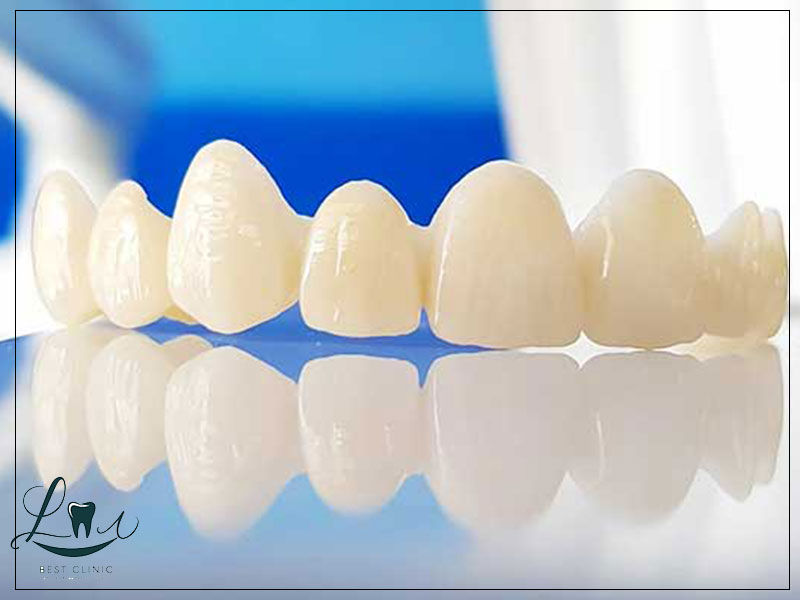
Dental veneers are thin shells made of porcelain or composite material that are bonded to the front surface of teeth to improve appearance.
They are commonly used to fix:
- Discolored teeth
- Chipped or broken teeth
- Gaps between teeth
- Minor misalignment
- Worn enamel
Because they are bonded permanently to the teeth, many patients assume they are lifelong solutions—but the reality is more nuanced.
Are Veneers Permanent?
The simple answer:
No, veneers are not permanent for life, but they are a long-term irreversible treatment.
Once veneers are placed:
- A thin layer of enamel is removed
- Teeth are permanently altered
- Veneers must always be replaced in the future
This means the process is permanent, even if the veneers themselves are not.
Why Veneers Are Considered “Permanent”
Even though they are not lifelong, veneers are often called permanent because:
- Enamel removal cannot be reversed
- Teeth will always need protection afterward
- Veneers are bonded with strong dental adhesives
- They last many years before replacement
So the “permanent” part refers to the tooth preparation, not the veneer material itself.
How Long Do Veneers Last?
| Type of Veneer | Average Lifespan |
|---|---|
| Porcelain veneers | 10–15+ years |
| Composite veneers | 5–7 years |
| Premium ceramic veneers | Up to 20 years |
With excellent care, veneers can last significantly longer than average.
Are Veneers Permanent or Replaceable?
Veneers are replaceable, not permanent.
Over time, they may need replacement due to:
- Natural wear
- Gum changes
- Staining (especially composite)
- Chipping or cracks
- Bond weakening
Replacement is a normal part of long-term veneer maintenance.
What Happens to Your Teeth Under Veneers?
A key part of understanding are veneers permanent is knowing what happens underneath.
Before placement:
- A thin layer of enamel is removed
- Tooth shape is slightly adjusted
After placement:
- Teeth are protected by veneers
- Natural enamel does not grow back
- Teeth remain dependent on veneer coverage
This is why veneers are considered irreversible.
Are Veneers Reversible?
Short answer: No
Once enamel is removed:
- You cannot go back to natural teeth
- Veneers must always remain or be replaced
- Removing veneers without replacement is not recommended
In rare cases, minimal-prep veneers may allow limited reversibility, but this is not common.
Types of Veneers and Their Permanence
Porcelain Veneers
- Highly durable
- Long-lasting aesthetic results
- Require enamel removal
- Fully irreversible
Composite Veneers
- Less invasive
- Slightly more reversible in early stages
- Easier to repair
- Shorter lifespan
Are Veneers Permanent in Terms of Appearance?
Veneers are not permanent in appearance because:
- They can chip over time
- They may discolor (especially composite)
- Gum recession may change aesthetics
- They may require replacement every 10–15 years
However, they provide long-lasting cosmetic improvement compared to other treatments.
Benefits of Veneers Despite Not Being Permanent
Even though veneers are not lifelong, they offer major advantages:
- Instant smile transformation
- Natural-looking results
- High stain resistance (porcelain)
- Improved confidence
- Minimal discomfort
Risks and Limitations
When considering are veneers permanent, patients should also understand the limitations:
- Irreversible enamel removal
- Need for future replacements
- Possible sensitivity
- Risk of chipping if abused
- Dependence on good oral hygiene
How to Make Veneers Last Longer
To extend veneer lifespan:
Daily care:
- Brush twice daily
- Use non-abrasive toothpaste
- Floss carefully
Lifestyle habits:
- Avoid biting hard objects
- Reduce coffee and smoking
- Avoid nail biting
Dental care:
- Regular checkups every 6 months
- Professional cleaning
- Night guard if grinding teeth
Veneers Replacement Process
When veneers wear out, replacement involves:
- Removing old veneers
- Cleaning tooth surface
- Taking new impressions
- Designing new veneers
- Bonding new restorations
Replacement is usually faster than the first procedure.
Are Veneers Safe Long-Term?
Yes, veneers are safe when done correctly.
Long-term success depends on:
- Dentist skill
- Material quality
- Patient oral hygiene
- Proper bite alignment
Clinics like Lumira Clinic focus on long-term planning to ensure veneers remain functional and aesthetic for many years.
Veneers in Dental Tourism
Many patients traveling abroad ask are veneers permanent before booking treatment.
In countries like Turkey:
- Veneers are widely used for smile makeovers
- High-quality materials are available
- Treatments are completed in 5–7 days
- Costs are significantly lower than in Europe
Clinics such as Lumira Clinic provide full digital smile design and long-term veneer planning for international patients.
Cost vs Longevity of Veneers
| Factor | Porcelain Veneers |
|---|---|
| Cost | Higher initial investment |
| Lifespan | 10–15+ years |
| Maintenance | Low |
| Replacement | Occasional |
| Value | High long-term ROI |
Who Should Consider Veneers?
You are a good candidate if you have:
- Discolored teeth
- Gaps or spacing issues
- Chipped teeth
- Mild misalignment
- Desire for a permanent smile improvement
Not suitable for:
- Severe gum disease
- Untreated cavities
- Poor oral hygiene
Professional Medical Advice
Dentists recommend:
- Treat veneers as a long-term commitment
- Understand replacement will be needed
- Choose experienced cosmetic dentists
- Focus on oral hygiene for longevity
- Use protective night guards if needed
Conclusion
So, are veneers permanent?
The answer is no, veneers are not permanent in lifespan, but they are a long-term and irreversible dental treatment. Once placed, they permanently change your teeth and require maintenance or replacement over time.
With proper care and expert placement, veneers can last 10–15 years or more, making them one of the most effective cosmetic dental solutions available today.
Choosing a skilled clinic like Lumira Clinic ensures that your veneers are designed for both beauty and long-term durability.
FAQs
Are veneers permanent?
No, veneers are not permanent, but they are long-term and irreversible.
Can veneers be removed?
They can be removed, but teeth will still need veneers or other protection.
How long do veneers last?
Porcelain veneers last 10–15+ years, composite 5–7 years.
Do veneers damage teeth permanently?
They require enamel removal, which makes the process irreversible.
Do veneers need replacement?
Yes, they need replacement after many years of use.
Are veneers painful to get?
No, the procedure is generally painless with local anesthesia.
Can veneers last a lifetime?
Rarely, but most need replacement after 10–15 years.
Are veneers worth it if they are not permanent?
Yes, they provide long-lasting and highly aesthetic smile transformation.