Teeth Shaving for Veneers Risks: 11 Important Facts You Must Know Before Your Smile Makeover
Teeth Shaving for Veneers Risks
Teeth shaving for veneers risks explained: sensitivity, enamel loss, long-term effects, and safety tips before getting cosmetic veneers treatment.
Introduction
If you are considering a smile makeover, you may have heard about teeth shaving for veneers risks and wondered whether the procedure is safe.
Veneers are one of the most popular cosmetic dental treatments in the world, but they require a small amount of enamel removal—commonly called “teeth shaving.” While this step is necessary for proper veneer placement, many patients worry about its long-term effects.
Understanding teeth shaving for veneers risks is essential before making a decision, especially if you want a natural, long-lasting smile without compromising your dental health.
In this guide, we will explain what teeth shaving involves, why it is done, and all the real risks you should be aware of before starting treatment.
What Is Teeth Shaving for Veneers?
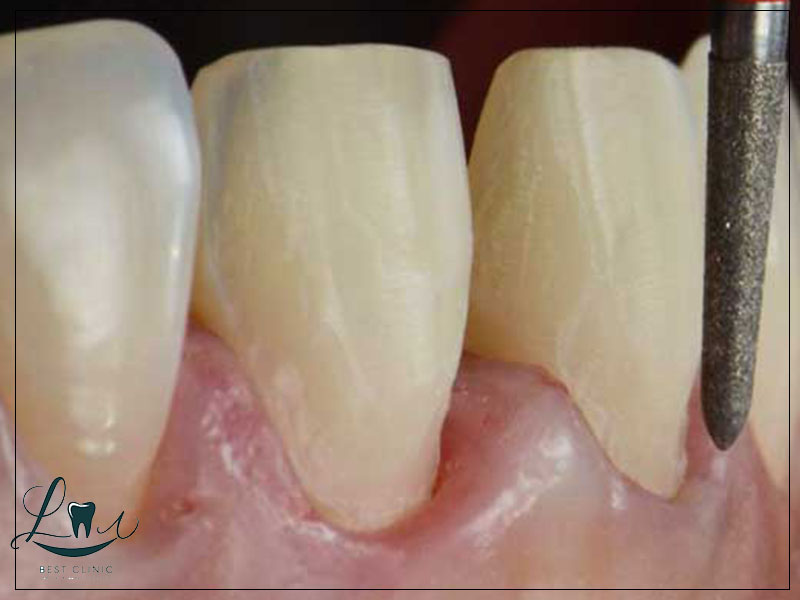
Teeth shaving, also known as tooth preparation or enamel reduction, is the process of removing a thin layer of enamel from the front surface of the teeth before placing veneers.
This step helps:
- Create space for veneers
- Ensure a natural fit
- Prevent bulky appearance
- Improve bonding strength
Although it sounds aggressive, the amount removed is usually very minimal—often less than 0.5 mm.
Teeth Shaving for Veneers Risks Explained
Let’s now explore the real teeth shaving for veneers risks in detail.
1. Permanent Enamel Loss
The most important risk is irreversible enamel removal.
Once enamel is removed:
- It does not grow back
- Teeth become permanently altered
- Veneers must always be maintained or replaced
This is why veneers are considered a lifelong commitment.
2. Tooth Sensitivity
After shaving, some patients experience sensitivity to:
- Hot drinks
- Cold foods
- Sweet foods
This happens because the protective enamel layer is reduced, exposing underlying dentin.
In most cases, sensitivity is temporary, but in some patients, it may last longer.
3. Increased Risk of Tooth Damage
Reduced enamel means teeth are more vulnerable to:
- Chips
- Cracks
- Wear from biting
- External trauma
Properly bonded veneers help protect teeth, but natural structure is still reduced.
4. Dependence on Veneers for Protection
After teeth shaving:
- Teeth are no longer in their original state
- Veneers act as a protective shield
- Removing veneers later may require replacement
This is a key long-term consideration.
5. Gum Sensitivity or Irritation
In some cases, patients may experience:
- Gum inflammation
- Mild irritation
- Temporary discomfort
This usually improves with proper oral hygiene and healing time.
6. Over-Preparation Risk (Poor Technique)
One of the biggest teeth shaving for veneers risks is excessive enamel removal.
If too much enamel is removed:
- Teeth become weaker
- Sensitivity increases
- Long-term damage may occur
This risk is highly dependent on dentist skill.
Clinics like Lumira Clinic use conservative preparation techniques to preserve as much natural tooth structure as possible.
7. Irreversibility of the Procedure
Teeth shaving is not reversible.
Once performed:
- You cannot return to natural teeth
- Veneers or alternative restorations are always required
- Future dental planning must consider this change
8. Psychological Adjustment
Some patients experience temporary emotional adjustment issues such as:
- Anxiety about permanent changes
- Concerns about appearance during temporary phase
- Sensitivity awareness
These are normal and usually short-term.
9. Bite Changes (Rare Cases)
If veneers are not properly designed after shaving:
- Bite alignment may feel different
- Jaw discomfort may occur
- Uneven pressure may develop
This is preventable with proper planning.
10. Need for Long-Term Maintenance
After teeth shaving and veneers:
- Regular checkups are required
- Veneers may need replacement after 10–15 years
- Oral hygiene becomes even more important
11. Risk of Overconfidence in Damage-Free Procedure
Many clinics advertise veneers as “no damage,” but the truth is:
- Minimal damage is always involved
- Enamel removal is permanent
- Proper planning is essential
Understanding realistic expectations prevents disappointment.
Benefits vs Risks Summary
| Aspect | Benefit | Risk |
|---|---|---|
| Aesthetics | Perfect smile | Permanent alteration |
| Function | Improved alignment | Sensitivity possible |
| Durability | Long-lasting result | Dependence on veneers |
| Protection | Strong bonding | Enamel loss |
How Much Enamel Is Actually Removed?
On average:
- 0.3 mm to 0.7 mm of enamel
- Only the front surface is affected
- Back of teeth remains untouched
This small reduction is necessary for a natural veneer fit.
How Dentists Minimize Teeth Shaving Risks
Professional dentists reduce risks by:
- Using digital smile design
- Measuring enamel thickness precisely
- Applying minimal-prep techniques
- Avoiding over-reduction
- Using high-quality bonding systems
Clinics like Lumira Clinic focus on conservative cosmetic dentistry to protect natural tooth structure.
Who Is at Higher Risk?
Some patients are more vulnerable to teeth shaving for veneers risks:
- Patients with thin enamel
- Teeth grinding (bruxism)
- Poor oral hygiene
- Gum disease
- Previous dental restorations
Alternatives to Teeth Shaving
In some cases, alternatives may be considered:
- No-prep veneers (minimal or no enamel removal)
- Composite bonding
- Teeth whitening only
- Orthodontic treatment
However, these depend on individual cases.
Realistic Medical Guidance
Dentists recommend:
- Always evaluate enamel thickness before shaving
- Avoid aggressive preparation techniques
- Choose experienced cosmetic dentists
- Use night guards if grinding teeth
- Understand long-term commitment before treatment
Dental Tourism Perspective
Patients traveling abroad often research teeth shaving for veneers risks before choosing treatment.
In countries like Turkey:
- Modern digital planning reduces risks
- Experienced cosmetic dentists perform minimal preparation
- High-quality materials protect teeth long-term
- Treatment is completed in a short time frame
Clinics such as Lumira Clinic provide detailed smile simulations before any enamel removal begins.
Cost vs Risk Perspective
| Factor | Low-Cost Clinics | Premium Clinics |
|---|---|---|
| Preparation quality | Variable | Controlled & minimal |
| Risk of over-shaving | Higher | Lower |
| Long-term safety | Uncertain | High |
| Aesthetic outcome | Basic | Natural & precise |
Conclusion
Understanding teeth shaving for veneers risks is essential before committing to a smile makeover.
While the procedure involves only minimal enamel removal, it is still irreversible and requires careful planning. Risks such as sensitivity, enamel loss, and long-term dependency on veneers should be considered seriously.
However, when performed by an experienced cosmetic dentist using modern techniques, teeth shaving is safe and highly effective for achieving a natural, long-lasting smile.
Choosing a trusted clinic like Lumira Clinic ensures that your treatment is done with precision, safety, and long-term dental health in mind.
FAQs
What are teeth shaving for veneers risks?
They include enamel loss, sensitivity, and permanent tooth alteration.
Is teeth shaving for veneers safe?
Yes, when done correctly by an experienced dentist using minimal preparation.
Does teeth shaving hurt?
No, it is usually painless and done under local anesthesia.
Is enamel removal for veneers permanent?
Yes, enamel does not grow back once removed.
Can teeth survive without enamel after shaving?
Yes, veneers protect the teeth after preparation.
How much enamel is removed for veneers?
Usually between 0.3 mm and 0.7 mm.
Can teeth shaving damage teeth?
Only if over-prepared or done incorrectly.
Are there alternatives to teeth shaving?
Yes, such as no-prep veneers or composite bonding in some cases.