Best Age for Veneers: 11 Expert Facts About Timing, Suitability & Smile Transformation
Best Age for Veneers
Best age for veneers explained: ideal timing, age limits, dental readiness, and when to get veneers for safe, long-lasting smile results.
Introduction
If you are considering a smile makeover, one of the most common questions patients ask is: what is the best age for veneers?
Veneers are a powerful cosmetic dental solution that can completely transform your smile, but timing matters. Getting veneers too early or too late can affect long-term results, tooth health, and maintenance needs.
Understanding the best age for veneers helps you make a smart decision that balances aesthetics, oral health, and durability.
In this guide, we will explain the ideal age range for veneers, when they are recommended, when they should be avoided, and what factors matter more than age itself.
What Are Dental Veneers?
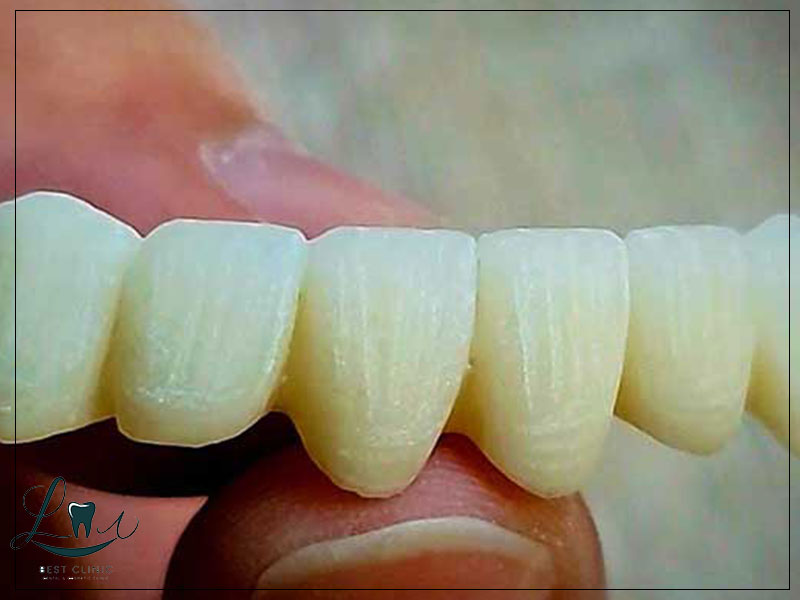
Dental veneers are thin shells made from porcelain or composite materials that are bonded to the front of teeth to improve appearance.
They are used to correct:
- Discoloration
- Chips or cracks
- Gaps between teeth
- Minor misalignment
- Uneven tooth shape
Because veneers are a long-term cosmetic treatment, choosing the right timing is essential.
Best Age for Veneers Explained
So, what is the best age for veneers?
There is no single fixed age, but dentists generally recommend veneers for patients between:
👉 18 to 55 years old
However, the ideal timing depends more on oral health than age alone.
Why Age Matters in Veneer Treatment
Age affects several important factors:
- Tooth development stage
- Enamel strength
- Gum health
- Bite stability
- Long-term durability expectations
Younger and older patients both need different approaches.
Best Age for Veneers: Age-by-Age Breakdown
1. Teenagers (Under 18) – Not Recommended
Veneers are generally NOT recommended for teenagers.
Why?
- Teeth are still developing
- Bite is still changing
- High risk of future adjustments
- Permanent enamel removal is irreversible
👉 Dentists usually suggest waiting until adulthood.
2. Young Adults (18–25) – Possible but Careful
This is the earliest safe age group for veneers.
Suitable cases:
- Severe discoloration
- Genetic enamel defects
- Chipped or damaged teeth
Considerations:
- Long lifespan ahead = more replacements needed
- Must ensure stable bite
- Strong commitment required
3. Adults (25–40) – Ideal Age Range
This is considered the best age for veneers.
Why this age is ideal:
- Fully developed teeth
- Stable bite alignment
- Strong enamel structure
- High aesthetic demand
- Long-term planning possible
Most cosmetic smile transformations happen in this age group.
Clinics like Lumira Clinic often treat patients in this range for full Hollywood smile designs.
4. Middle Age (40–55) – Still Excellent Option
Veneers are still highly effective in this age group.
Benefits:
- Improves worn or aged teeth
- Restores smile confidence
- Corrects discoloration from aging
Considerations:
- Gum recession may affect design
- Teeth may require additional treatments
5. 55+ Age Group – Case-by-Case Decision
Veneers are still possible, but not always ideal.
Factors to consider:
- Gum health
- Bone support
- Existing dental restorations
- Overall oral condition
Sometimes crowns or implants may be more suitable.
Best Age for Veneers vs Oral Condition
Age alone is not the deciding factor.
Dentists focus on:
- Healthy gums
- Strong tooth structure
- No active decay
- Stable bite alignment
- Good oral hygiene
Even a younger patient may not qualify if oral health is poor.
Key Factors That Matter More Than Age
1. Enamel Strength
Veneers require sufficient enamel for bonding.
2. Gum Health
Healthy gums ensure long-term success and natural appearance.
3. Bite Alignment
A stable bite prevents veneer damage.
4. Oral Hygiene Habits
Good hygiene increases veneer lifespan significantly.
5. Lifestyle Habits
- Smoking
- Teeth grinding
- Nail biting
These can affect eligibility more than age.
Benefits of Getting Veneers at the Right Age
Choosing the best age for veneers improves:
- Longevity of treatment
- Natural-looking results
- Lower replacement frequency
- Better gum adaptation
- Higher patient satisfaction
Risks of Getting Veneers Too Early
- More lifetime replacements
- Higher long-term cost
- Emotional regret in young patients
- Unstable bite development
Risks of Getting Veneers Too Late
- Gum recession affecting aesthetics
- Weaker tooth support
- Higher need for additional treatments
- Reduced natural enamel bonding strength
Veneers Lifespan by Age Group
| Age Group | Average Lifespan Impact |
|---|---|
| 18–25 | 10–15 years (more replacements later) |
| 25–40 | 12–20 years (ideal results) |
| 40–55 | 10–15 years (stable results) |
| 55+ | Variable depending on oral health |
Best Veneer Type by Age
Young Adults
- Emax veneers (natural aesthetics)
Adults (25–40)
- Emax or zirconium combination
Older Adults
- Zirconium veneers (strength + durability)
Why Turkey Is Popular for Veneers at Any Age
Turkey is one of the leading destinations for cosmetic dentistry because:
- Advanced smile design technology
- Experienced cosmetic dentists
- Affordable treatment packages
- Fast treatment timelines
- High-quality ceramic materials
Clinics such as Lumira Clinic provide age-specific smile planning to ensure the best long-term outcome.
Realistic Medical Guidance
Dentists recommend:
- Waiting until at least 18 years old
- Completing orthodontic treatment first if needed
- Ensuring full gum health
- Avoiding premature cosmetic decisions
- Choosing experienced cosmetic dentists
Conversion Section: Why Age-Based Planning Matters
The best age for veneers is not just a number—it is about timing and readiness.
Professional clinics focus on:
- Facial harmony analysis
- Bite evaluation
- Long-term durability planning
- Personalized veneer selection
Clinics like Lumira Clinic design age-appropriate smile transformations that balance beauty and dental health.
Conclusion
So, what is the best age for veneers?
The ideal range is typically between 25 and 40 years old, when teeth are fully developed and oral conditions are stable. However, veneers can be successful outside this range if the patient has good dental health.
Ultimately, age is less important than enamel quality, gum health, and bite stability.
Choosing the right timing ensures a natural, long-lasting, and confident smile transformation.
FAQs
What is the best age for veneers?
The best age is usually between 25 and 40 years old.
Can teenagers get veneers?
No, veneers are not recommended for patients under 18.
Are veneers good for older adults?
Yes, but gum health and bone support must be evaluated.
Is there an age limit for veneers?
There is no strict limit, but oral health is essential.
Do veneers last longer if done at a younger age?
Not necessarily; lifespan depends on care and material.
Can I get veneers at 50 years old?
Yes, if your teeth and gums are healthy.
Do veneers damage teeth at any age?
They require enamel removal, which is permanent but safe when done correctly.
What matters more than age for veneers?
Gum health, enamel strength, and bite alignment are more important than age.