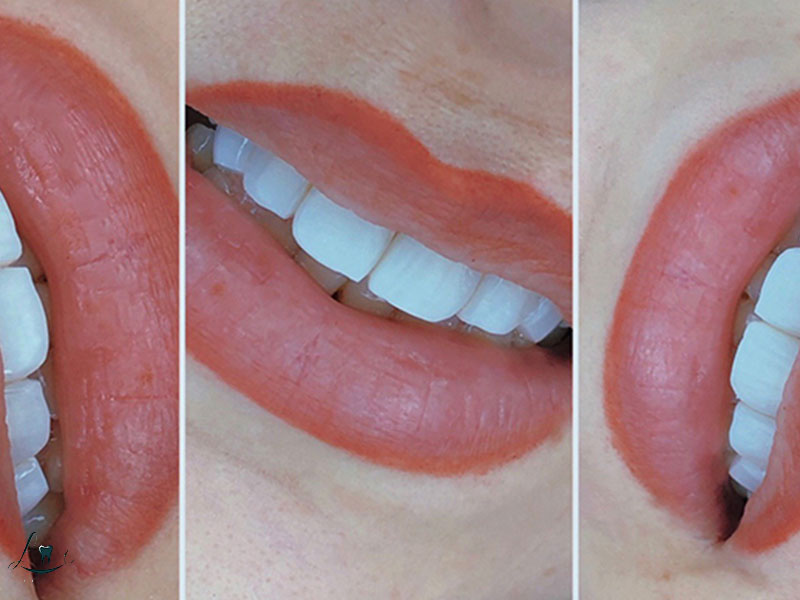
Turkey Teeth Gone Wrong Explained: 11 Real Reasons, Risks, and How to Avoid Bad Veneer Results
Turkey Teeth Gone Wrong Explained
Turkey teeth gone wrong explained: discover causes, risks, mistakes, and how to avoid bad veneer results from dental tourism in Turkey.
Introduction: Why “Turkey Teeth Gone Wrong Explained” Is So Important
The phrase “Turkey teeth gone wrong explained” has become one of the most searched dental tourism topics in recent years. Many patients travel to Turkey expecting a perfect Hollywood smile at a low cost, but not everyone gets the results they hoped for.
While Turkey is a leading destination for cosmetic dentistry, not every case is successful. Some patients experience overly large veneers, damaged teeth, gum issues, or unnatural smiles.
So what actually goes wrong?
In this guide, we will fully break down Turkey teeth gone wrong explained in a clear, honest, and medical way. You will learn:
- Why bad veneer results happen
- The most common mistakes clinics make
- Patient risks before and after treatment
- How to avoid disappointing outcomes
- What a safe, high-quality dental journey should look like
This is not about fear—it’s about awareness. Because the truth is: great results are absolutely possible in Turkey when done correctly.
What Does “Turkey Teeth Gone Wrong Explained” Actually Mean?
The term “Turkey teeth” refers to cosmetic dental treatments—mainly veneers or crowns—done in Turkey as part of dental tourism packages.
When people search Turkey teeth gone wrong explained, they are usually referring to:
- Over-prepared natural teeth
- Too-large or bulky veneers
- Fake-looking “white blocks” instead of natural smiles
- Gum inflammation after treatment
- Bite problems or jaw discomfort
- Short-term complications from rushed procedures
In simple terms, it means unsatisfactory or poorly planned cosmetic dental work performed abroad.
Why Do Turkey Teeth Go Wrong? (Main Causes Explained)
Understanding Turkey teeth gone wrong explained requires looking at the real causes behind poor outcomes.
1. Excessive Tooth Reduction
One of the biggest issues is aggressive shaving of natural teeth.
Some clinics prepare teeth too heavily, especially for crowns instead of veneers, which can lead to:
- Permanent enamel loss
- Sensitivity
- Weak tooth structure
- Higher risk of future root canal treatment
2. Overuse of Crowns Instead of Veneers
In ideal cosmetic dentistry, veneers preserve most of the tooth.
But in some cases, patients receive full crowns unnecessarily.
This leads to:
- “Fake teeth” appearance
- Over-contoured smiles
- Gum irritation over time
3. Lack of Personal Smile Design
A major reason behind Turkey teeth gone wrong explained is poor smile planning.
Instead of customized design based on:
- Face shape
- Lip line
- Bite alignment
- Skin tone
Some treatments use a “one-size-fits-all” approach.
4. Time Pressure in Dental Tourism Clinics
Dental tourism is fast-paced.
Patients often receive:
- Consultation → same-day preparation → rapid fitting
This can reduce accuracy in:
- Bite adjustment
- Shade selection
- Final fitting
5. Low-Quality Materials in Some Clinics
Not all clinics use premium materials.
Lower-quality ceramic or bonding materials may lead to:
- Discoloration
- Chipping
- Short lifespan
6. Inexperienced Practitioners
Some clinics employ general dentists instead of cosmetic specialists.
This can affect:
- Aesthetic precision
- Gum harmony
- Bite correction
7. Poor Aftercare Instructions
After treatment, patients may not receive proper guidance, leading to:
- Gum infections
- Sensitivity
- Veneer damage
Common Problems in “Turkey Teeth Gone Wrong Explained”
Here are the most reported issues patients experience:
1. Overly White or Fake Appearance
Teeth look unnatural because:
- Shade is too bright
- Shape is too square
- No translucency
2. Gum Recession
Poor fitting or aggressive preparation can irritate gums.
3. Tooth Sensitivity
Caused by:
- Excess enamel removal
- Exposed dentin
- Improper bonding
4. Bite Misalignment
Patients may feel:
- Jaw pain
- Headaches
- Difficulty chewing
5. Veneer Chipping or Breaking
Usually due to:
- Thin materials
- Poor bonding
- Excessive bite pressure
6. Bad Smile Proportions
Teeth may look:
- Too long
- Too bulky
- Too uniform
Comparison: Good vs Bad Veneer Results
| Feature | Good Veneers | “Turkey Teeth Gone Wrong” Cases |
|---|---|---|
| Appearance | Natural, balanced | Overly white, fake |
| Tooth prep | Minimal | Excessive |
| Bite function | Comfortable | Painful or uneven |
| Gum health | Stable | Inflamed or receding |
| Longevity | 10–15 years | Short-term failures |
Psychological Impact of Bad Dental Work
The emotional side of Turkey teeth gone wrong explained is often overlooked.
Patients may experience:
- Loss of confidence
- Social embarrassment
- Anxiety when smiling
- Financial regret
This is why choosing the right clinic matters more than price alone.
How to Avoid Turkey Teeth Gone Wrong
If you are planning dental treatment abroad, follow these expert guidelines:
1. Choose a Specialist Cosmetic Dentist
Look for:
- Before/after cases
- Veneer-focused experience
- Digital smile design services
2. Avoid “One-Day Smile” Promises
Quality dentistry takes planning.
Be cautious of:
- Extreme speed treatments
- No diagnostic phase
- No digital simulation
3. Ask About Tooth Preservation
A good clinic prioritizes:
- Minimal shaving
- Veneers over crowns when possible
4. Request Digital Smile Design
This helps visualize:
- Final outcome
- Tooth shape
- Smile harmony
5. Check Materials Used
Ask for:
- Ceramic type (E-max preferred)
- Warranty details
- Lab origin
What a Safe Dental Tourism Experience Should Look Like
A high-quality clinic experience includes:
- Full consultation and scans
- Custom smile design
- Temporary veneers before final placement
- Bite adjustment sessions
- Post-treatment follow-up
Clinics like Lumira Clinic focus on structured treatment planning and patient-specific smile design to reduce risks and improve outcomes.
Why Turkey Is Still a Leading Dental Destination
Despite the risks discussed in Turkey teeth gone wrong explained, Turkey remains a global hub for cosmetic dentistry because:
- Lower costs compared to Europe
- Highly experienced cosmetic dentists
- Advanced dental technology
- Fast treatment timelines
- Dental tourism packages including accommodation
The key difference is not the country—it is the clinic quality and planning process.
Cost vs Risk: What Patients Should Understand
| Factor | Low-Cost Clinics | Premium Clinics |
|---|---|---|
| Price | Very cheap | Moderate |
| Materials | Basic | High-end ceramic |
| Planning | Limited | Full digital design |
| Risk level | Higher | Lower |
| Outcome | Unpredictable | Natural & stable |
Who Is at Risk of Turkey Teeth Gone Wrong?
Higher risk patients include:
- Patients choosing cheapest clinic only
- People wanting extreme whitening only
- Patients with misaligned bites
- People rushing treatment decisions
- Patients skipping consultations
Real Medical Advice Before Getting Veneers
Dentists recommend:
- Full oral examination first
- Treat gum disease before veneers
- Avoid unnecessary tooth removal
- Understand long-term maintenance
Cosmetic dentistry is permanent in many cases—decisions should not be rushed.
Conversion Insight: Choosing the Right Clinic Matters
The difference between success and failure in cosmetic dentistry is not geography—it is clinical planning, expertise, and customization.
A properly structured clinic will always prioritize:
- Tooth preservation
- Natural aesthetics
- Functional bite alignment
- Long-term oral health
This is what separates a natural smile from the cases people describe when searching Turkey teeth gone wrong explained.
FAQ: Turkey Teeth Gone Wrong Explained
1. What does Turkey teeth gone wrong mean?
It refers to poor cosmetic dental results such as unnatural veneers, gum issues, or bite problems after treatment in Turkey.
2. Why do Turkey teeth go wrong sometimes?
Common reasons include poor planning, excessive tooth shaving, low-quality materials, or inexperienced dentists.
3. Can Turkey teeth be fixed?
Yes, but correction may require veneer replacement, gum treatment, or full smile reconstruction.
4. Are Turkey veneers always bad?
No. Many patients receive excellent results when treated by experienced cosmetic dentists.
5. How long do veneers last?
High-quality veneers can last 10–15 years or more with proper care.
6. Is dental tourism in Turkey safe?
Yes, but only when choosing reputable, experienced clinics with strong case histories.
7. What is the biggest risk of veneers abroad?
The biggest risk is poor planning leading to irreversible tooth damage or unnatural aesthetics.
8. How do I avoid bad Turkey teeth results?
Choose a specialist clinic, request digital smile design, and avoid rushed or ultra-cheap offers.