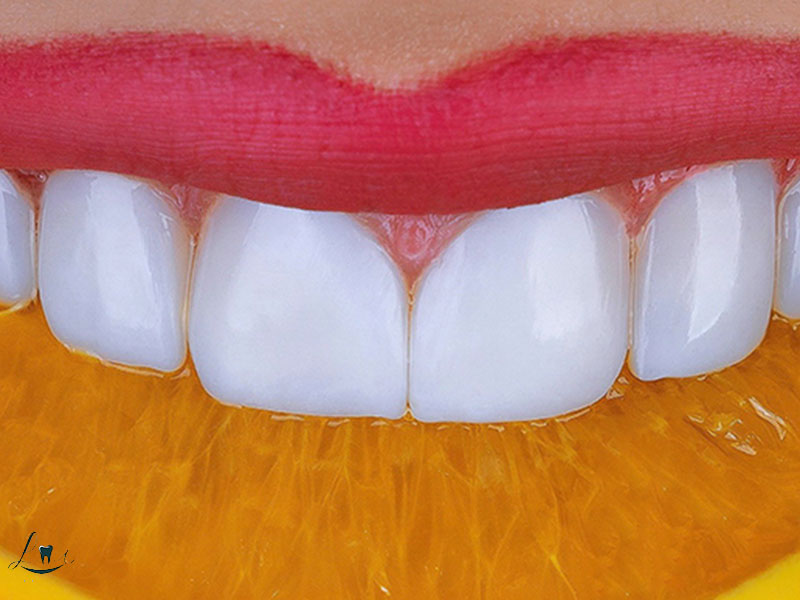
How to Avoid Bad Dental Clinics: 15 Expert Warning Signs Every Patient Must Know Before Treatment
How to Avoid Bad Dental Clinics
How to avoid bad dental clinics explained: learn warning signs, red flags, and expert tips to choose a safe clinic and prevent dental mistakes.
Introduction: Why Knowing How to Avoid Bad Dental Clinics Matters
Choosing a dental clinic is not just about price or location—it is about your health, your smile, and sometimes irreversible treatment decisions. Many patients search for how to avoid bad dental clinics after experiencing poor communication, low-quality work, or unexpected complications.
A bad dental clinic can lead to:
- Incorrect diagnosis
- Poor treatment outcomes
- Unnecessary procedures
- Long-term oral damage
The good news is that most of these problems are preventable.
In this guide, we will explain how to avoid bad dental clinics using real clinical criteria, not marketing promises. You will learn how professionals evaluate clinics, what red flags to watch for, and how to safely choose a clinic that protects your health and investment.
What Does “Bad Dental Clinic” Really Mean?
Understanding how to avoid bad dental clinics starts with defining what “bad” actually means.
A bad dental clinic is not just a clinic with low prices—it is one that lacks:
- Proper diagnostic planning
- Qualified specialists
- Sterile surgical protocols
- Transparent communication
- Ethical treatment recommendations
Sometimes the issue is poor training. Other times, it is over-commercialized dental tourism models that prioritize speed over safety.
How to Avoid Bad Dental Clinics: 15 Critical Warning Signs
Below are the most important red flags every patient should recognize before treatment.
1. No Detailed Consultation or Diagnosis
A proper clinic always starts with:
- X-rays or 3D scans
- Oral examination
- Medical history review
If a clinic skips this step, it is a major warning sign.
2. “Instant Treatment” Offers
One of the biggest red flags in how to avoid bad dental clinics is speed-based promises like:
- “Teeth in one day”
- “Smile in 24 hours”
Quality dentistry requires planning, not rushing.
3. No Before-and-After Evidence
Trustworthy clinics always show:
- Real patient cases
- Consistent results
- Similar treatments to yours
If they cannot show proof, be cautious.
4. Unclear Pricing Structure
Bad clinics often:
- Hide extra costs
- Change prices during treatment
- Avoid written quotes
Transparency is essential in dental care.
5. No Specialist Involvement
General dentists cannot replace specialists in:
- Implants
- Orthodontics
- Cosmetic dentistry
Always check who performs your treatment.
6. Poor Communication
Warning signs include:
- No clear explanation of procedure
- Language barriers without translators
- Rushed consultations
7. No Sterilization or Hygiene Transparency
A safe clinic must follow strict hygiene protocols.
Red flags:
- Unclean instruments
- No visible sterilization process
- Overcrowded treatment rooms
8. Pressure to Commit Immediately
Ethical clinics never pressure patients.
Be careful if you hear:
- “Book now or lose the price”
- “You must decide today”
9. No Digital Treatment Planning
Modern dentistry uses:
- 3D scans
- Digital smile design
- Virtual previews
Absence of these tools is a warning sign.
10. Overuse of Crowns Instead of Veneers
Some clinics aggressively remove teeth and place crowns instead of minimally invasive veneers.
11. Unrealistically Cheap Prices
If the price seems too good to be true, it usually is.
Low prices may mean:
- Cheap materials
- Limited experience
- Shortcuts in treatment
12. No Follow-Up Care
A good clinic always includes:
- Post-treatment checkups
- Healing monitoring
- Adjustment sessions
13. Lack of Written Treatment Plan
You should always receive:
- Step-by-step plan
- Timeline
- Materials used
14. Poor Online Reputation Consistency
Look for:
- Repeated complaints
- Fake-looking reviews
- No verified patient stories
15. No Clear Responsibility for Complications
Ethical clinics stand behind their work and provide solutions if issues arise.
Comparison Table: Good vs Bad Dental Clinics
| Feature | Good Clinic | Bad Clinic |
|---|---|---|
| Diagnosis | Full 3D scan | No imaging |
| Communication | Clear & detailed | Rushed & unclear |
| Treatment plan | Personalized | Generic |
| Materials | High-quality | Low-cost |
| Follow-up | Included | Missing |
| Risk level | Low | High |
Why Patients Fall Into Bad Dental Clinics
Understanding how to avoid bad dental clinics also means understanding why people choose them:
- Cheap prices
- Lack of research
- Emotional decision-making
- Social media advertising
- Travel package pressure
Many patients prioritize cost over safety, which increases risk.
How to Avoid Bad Dental Clinics: Step-by-Step Safety Guide
Step 1: Research the Clinic Deeply
Check:
- Website quality
- Doctor credentials
- Treatment philosophy
Step 2: Ask for Real Case Studies
Do not accept generic images. Ask for:
- Similar cases
- Before/after consistency
- Long-term results
Step 3: Request Full Diagnosis Before Treatment
No treatment should start without:
- X-ray
- 3D scan
- Clinical evaluation
Step 4: Compare Multiple Clinics
Never choose the first option.
Compare:
- Price
- Experience
- Treatment approach
Step 5: Avoid Pressure-Based Sales
If you feel rushed, walk away.
Step 6: Check Material Quality
Ask directly:
- Which implant brand?
- Which veneer material?
- Warranty details?
Step 7: Evaluate Communication Quality
A good clinic explains everything clearly and patiently.
Medical Perspective: Why Clinic Choice Impacts Results
From a clinical standpoint, how to avoid bad dental clinics is directly linked to treatment success.
Even the best materials can fail if:
- Diagnosis is wrong
- Implant is poorly placed
- Bite is not adjusted
- Hygiene is compromised
Dentistry is not only about tools—it is about precision and experience.
Why Turkey Is a Popular Destination (But Requires Careful Selection)
Turkey is one of the most popular countries for dental tourism because:
- Advanced dental technology
- Competitive pricing
- Experienced cosmetic dentists
- Fast appointment availability
However, quality varies between clinics, making careful selection essential.
Clinics such as Lumira Clinic focus on structured diagnostics, digital planning, and patient-centered care to reduce risks associated with poorly planned treatments.
What a Safe Dental Clinic Should Always Offer
A trustworthy clinic includes:
- Full oral examination
- Digital imaging (3D scan)
- Transparent pricing
- Specialist-led treatment
- Sterile surgical environment
- Post-treatment follow-up
Conversion Insight: The Real Meaning of Clinic Safety
When learning how to avoid bad dental clinics, the key takeaway is simple:
👉 Safety is not about the country, price, or advertisement
👉 Safety is about systems, planning, and expertise
A good clinic does not rush decisions—it builds predictable, long-term results.
FAQ: How to Avoid Bad Dental Clinics
1. What is the best way to avoid bad dental clinics?
Research thoroughly, check credentials, and ensure full diagnosis before treatment.
2. What are the biggest red flags in dental clinics?
No X-rays, rushed treatment, unclear pricing, and lack of follow-up care.
3. Are cheap dental clinics always bad?
Not always, but extremely low prices can indicate compromised quality.
4. Should I trust online reviews?
Only if they are consistent and from verified patient experiences.
5. Why do some dental treatments fail?
Poor planning, low-quality materials, or inexperienced dentists are common causes.
6. Is digital smile design important?
Yes, it helps predict results and improves treatment accuracy.
7. How important is follow-up care?
Very important—it ensures healing and long-term success.
8. Can I switch clinics mid-treatment?
Yes, but it may require corrective procedures depending on the case.