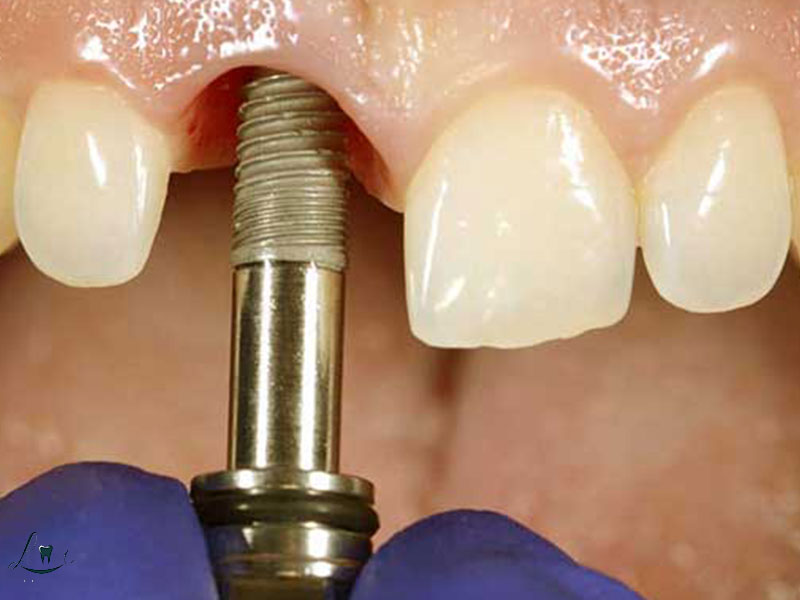
Infection After Dental Implants: 12 Warning Signs, Causes, and Proven Treatment Options
Infection After Dental Implants
Infection after dental implants explained: learn symptoms, causes, risks, and effective treatments to protect implant success and avoid complications.
Introduction: Understanding Infection After Dental Implants
Dental implants are one of the most successful solutions for replacing missing teeth. However, like any surgical procedure, they carry a risk of complications—one of the most important being infection after dental implants.
This condition can develop shortly after surgery or even months later, and if ignored, it may lead to implant failure or bone loss.
Many patients only realize the seriousness when symptoms become painful or visible. That’s why understanding infection after dental implants early is critical for protecting both your implant and overall oral health.
In this guide, we will break down everything you need to know in a clear, medically accurate, patient-friendly way.
What Is Infection After Dental Implants?
Infection after dental implants refers to bacterial contamination affecting the gum tissue or bone around the implant site.
It can occur:
- Immediately after surgery (early infection)
- Weeks or months later (late infection)
In severe cases, it can progress into a condition called peri-implantitis, which causes bone loss around the implant.
Infection After Dental Implants: 12 Key Warning Signs
Recognizing symptoms early is the most important step in preventing implant failure.
1. Persistent Swelling Around the Implant
Mild swelling is normal after surgery, but prolonged swelling is not.
Warning sign:
- Swelling lasting more than 5–7 days
- Increasing instead of decreasing
2. Pain That Gets Worse Over Time
Normal healing pain should gradually reduce.
Concerning pain:
- Sharp or throbbing
- Worsening after initial healing phase
3. Red or Inflamed Gums
Healthy gums should appear pink and firm.
Signs of infection include:
- Bright red color
- Swollen gum tissue
- Sensitivity when touched
4. Pus or Discharge
One of the clearest signs of infection after dental implants is pus.
This indicates active bacterial infection.
5. Bad Taste in the Mouth
A metallic or foul taste may indicate:
- Bacterial buildup
- Infection around implant site
6. Persistent Bleeding
Some bleeding is normal initially, but ongoing bleeding suggests:
- Gum infection
- Poor healing response
7. Implant Loosening
A stable implant should feel completely fixed.
Movement may indicate:
- Bone infection
- Failed integration
8. Difficulty Chewing
Pain or pressure while chewing can signal:
- Deep tissue infection
- Bone involvement
9. Fever or Fatigue
Systemic symptoms suggest infection has spread beyond the local area.
10. Gum Recession Around Implant
Receding gums expose implant surfaces and increase infection risk.
11. Swollen Lymph Nodes
This indicates the body is reacting to infection.
12. Visible Bone Loss (Advanced Cases)
In severe cases, infection leads to:
- Bone deterioration
- Implant instability
Table: Normal Healing vs Infection After Dental Implants
| Feature | Normal Healing | Infection |
|---|---|---|
| Pain | Mild, decreasing | Severe, increasing |
| Swelling | Reduces in days | Persists or worsens |
| Gums | Pink | Red and inflamed |
| Discharge | None | Pus present |
| Implant stability | Firm | Loose |
Causes of Infection After Dental Implants
Understanding the causes helps prevent complications.
1. Poor Oral Hygiene
Plaque buildup allows bacteria to grow around the implant.
2. Smoking
Smoking reduces blood flow and slows healing.
3. Surgical Contamination
If bacteria enter during surgery, infection may develop early.
4. Weak Immune System
Conditions like diabetes can slow recovery.
5. Poor Post-Operative Care
Not following instructions increases risk significantly.
6. Pre-Existing Gum Disease
Untreated gum disease can spread bacteria to implant areas.
How Dentists Treat Infection After Dental Implants
Treatment depends on severity.
1. Antibiotic Therapy
Used to control bacterial infection in early stages.
2. Deep Cleaning (Debridement)
Removes bacteria and infected tissue around implant.
3. Laser Therapy
Helps disinfect implant surface and surrounding tissue.
4. Surgical Cleaning
In advanced cases, surgery is required to access infected areas.
5. Bone Regeneration
If bone loss occurs, grafting may be needed.
6. Implant Removal (Severe Cases)
If infection cannot be controlled, implant may need removal.
How to Prevent Infection After Dental Implants
Prevention is always better than treatment.
Step-by-step prevention guide:
- Brush gently twice daily
- Use antibacterial mouthwash
- Avoid smoking completely
- Attend follow-up appointments
- Follow post-surgery instructions strictly
- Avoid hard foods during healing phase
Key protective habits:
- Maintain excellent oral hygiene
- Keep surgical area clean
- Avoid touching implant with fingers or tongue
- Stay hydrated to support healing
Medical Insight: Why Infection After Dental Implants Happens
From a clinical perspective, infection occurs when bacteria overcome the body’s healing response.
The implant site is particularly vulnerable during:
- First 2–3 weeks of healing
- Early bone integration phase
This is why strict hygiene and follow-up care are essential.
Dental Tourism and Infection Risk
Dental tourism offers affordable implant treatment, but quality control varies between clinics.
Infection risks increase when:
- Sterilization standards are poor
- Surgery is rushed
- Aftercare is not properly explained
Clinics such as Lumira Clinic focus on:
- Strict sterilization protocols
- Digital 3D planning
- Controlled surgical environments
- Structured follow-up care
These practices significantly reduce the risk of infection after dental implants.
Why Turkey Is a Popular Choice for Dental Implants
Turkey is a leading destination for implant dentistry because:
- Advanced dental technology
- Experienced implant surgeons
- Affordable treatment packages
- Fast appointment availability
However, success depends heavily on selecting the right clinic.
Risk vs Safety in Implant Treatment
| Factor | Low-Quality Clinics | High-Quality Clinics |
|---|---|---|
| Sterilization | Inconsistent | Strict protocols |
| Diagnosis | Basic | Full 3D imaging |
| Infection risk | Higher | Lower |
| Follow-up | Minimal | Structured |
| Outcome | Unpredictable | Stable |
Conversion Insight: When Infection Becomes Dangerous
The key issue with infection after dental implants is timing.
Early detection allows:
- Simple antibiotic treatment
- Quick recovery
Late detection may require:
- Surgery
- Bone grafting
- Implant removal
FAQ: Infection After Dental Implants
1. What are the signs of infection after dental implants?
Swelling, pain, pus, bleeding, and bad taste are key symptoms.
2. Is infection after dental implants common?
It is rare but can happen without proper hygiene or care.
3. Can implant infection be treated?
Yes, most infections can be treated if detected early.
4. What causes infection after dental implants?
Poor hygiene, smoking, surgical contamination, and gum disease are common causes.
5. How long after implants can infection occur?
It can happen in the first weeks or even months later.
6. Is pain normal after dental implants?
Mild pain is normal, but increasing pain may indicate infection.
7. Can infected implants be saved?
Yes, depending on severity, through cleaning, antibiotics, or surgery.
8. How do I prevent infection after implants?
Maintain hygiene, avoid smoking, and follow all dentist instructions.