How to Prepare for Dental Implants: 12 Essential Steps for a Successful Treatment (2026 Guide)
How to Prepare for Dental Implants
Learn how to prepare for dental implants with 12 essential steps, medical tips, costs, and recovery guidance for a safe and successful procedure.
Introduction: Why Preparing for Dental Implants Matters
Understanding how to prepare for dental implants is the most important step before undergoing treatment. Many patients focus only on the surgery itself, but preparation actually determines long-term success, healing speed, and implant stability.
Dental implants are one of the most advanced solutions for missing teeth, offering a natural look and long-lasting function. However, the treatment involves surgical placement into the jawbone, which means your body must be in the right condition to heal properly.
Patients who prepare correctly experience:
- Faster healing
- Lower risk of infection
- Higher implant success rate
- Less post-operative pain
In this guide, you will learn how to prepare for dental implants step-by-step, what to avoid, what to expect, and how clinics like Lumira Clinic help international patients achieve safe and predictable results.
What Are Dental Implants? (Quick Overview)
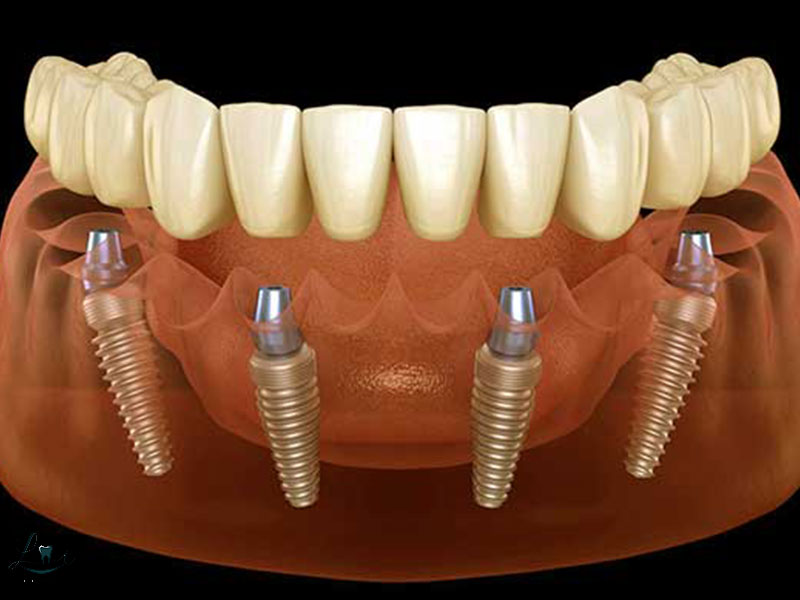
Dental implants are titanium or zirconia posts placed into the jawbone to replace missing tooth roots. Once healed, they support crowns, bridges, or full-mouth restorations.
The process includes:
- Consultation & planning
- Implant placement surgery
- Healing (osseointegration)
- Crown or prosthetic placement
But before all of this, preparation is critical.
How to Prepare for Dental Implants: Step-by-Step Guide
1. Complete a Full Dental Examination
Before anything else, your dentist must evaluate:
- Jawbone density
- Gum health
- Existing infections
- Bite alignment
A CBCT scan (3D X-ray) is often required to assess bone volume accurately.
Without this step, implant failure risk increases significantly.
2. Treat Any Existing Gum Disease
Healthy gums are essential. If you have periodontal disease, it must be treated first.
Signs of gum disease:
- Bleeding gums
- Bad breath
- Gum recession
- Loose teeth
Untreated infections can spread to the implant site and cause failure.
3. Check Bone Density and Jaw Structure
One of the most important parts of how to prepare for dental implants is ensuring you have enough bone.
If bone is insufficient, your dentist may recommend:
- Bone grafting
- Sinus lift (upper jaw cases)
- Ridge augmentation
These procedures strengthen the foundation for implants.
4. Stop Smoking Before Surgery
Smoking is one of the biggest reasons for implant failure.
It:
- Reduces blood flow
- Slows healing
- Increases infection risk
Dentists typically recommend stopping smoking at least 2 weeks before and after surgery.
5. Adjust Medications (With Doctor Approval)
Some medications affect healing, such as:
- Blood thinners
- Steroids
- Certain diabetes medications
Never stop medication on your own—your dentist and physician must coordinate adjustments.
6. Improve Oral Hygiene Routine
Before surgery, upgrade your oral care:
- Brush twice daily
- Use antibacterial mouthwash
- Floss regularly
- Clean tongue gently
A clean mouth reduces bacteria during implant placement.
7. Maintain a Healthy Diet Before Surgery
Nutrition plays a major role in healing.
Recommended foods:
- Protein-rich meals (chicken, fish, eggs)
- Vitamin C (oranges, kiwi, peppers)
- Calcium-rich foods (milk, yogurt)
- Zinc sources (nuts, seeds)
Avoid:
- Excess sugar
- Alcohol
- Highly processed foods
8. Manage Chronic Health Conditions
Conditions like diabetes or hypertension must be controlled before surgery.
Poorly managed conditions can:
- Delay healing
- Increase infection risk
- Reduce implant stability
Always inform your dentist about your full medical history.
9. Plan for Recovery Time
Understanding recovery is part of how to prepare for dental implants.
You may need:
- 1–3 days rest for minor discomfort
- Up to 7–10 days for swelling reduction
- Several months for full integration
Plan your work and travel accordingly.
10. Arrange Transportation and Aftercare
After surgery, you may not be able to drive due to anesthesia or sedation.
Arrange:
- A companion or transport
- Post-surgery support
- Medication pickup
11. Choose a Trusted Clinic
Choosing the right clinic is critical for success.
A professional clinic like Lumira Clinic ensures:
- Advanced digital planning
- Experienced implant surgeons
- Sterile surgical environment
- International patient support
This is especially important for dental tourism patients traveling abroad.
12. Follow Pre-Surgery Instructions Carefully
Your dentist may instruct you to:
- Fast for 6–8 hours before sedation
- Avoid alcohol 48 hours before surgery
- Take prescribed antibiotics
- Use antiseptic mouthwash
Following instructions improves surgical outcomes significantly.
Comparison Table: Well-Prepared vs Poorly Prepared Patients
| Factor | Well-Prepared Patient | Poorly Prepared Patient |
|---|---|---|
| Healing speed | Fast | Slow |
| Infection risk | Low | High |
| Implant success rate | Very high | Reduced |
| Pain level | Minimal | Moderate to high |
| Long-term stability | Strong | Unstable |
Why Preparation Directly Affects Implant Success
Dental implants rely on a process called osseointegration, where bone grows around the implant.
If preparation is poor:
- Bone may not integrate properly
- Infection may develop
- Implant may fail early
If preparation is correct:
- Healing is smooth
- Bone integration is strong
- Results can last 15–25 years or more
Dental Implant Preparation for International Patients
Many patients travel for treatment, especially to countries like Turkey.
Clinics specializing in dental tourism, such as Lumira Clinic, typically offer:
- Online consultation before travel
- Digital smile planning
- Pre-arrival medical assessment
- Airport pickup and hotel coordination
This makes preparation easier and more structured for foreign patients.
Common Mistakes to Avoid Before Dental Implants
- Smoking too close to surgery
- Ignoring gum infections
- Skipping medical disclosure
- Eating heavy meals before anesthesia
- Not following post-op instructions
- Choosing low-quality clinics based only on price
Avoiding these mistakes significantly increases success rates.
Medical Guidance: What Dentists Want Patients to Know
Dentists emphasize that preparation is not optional.
Key medical truths:
- Healthy gums = successful implants
- Strong bone = long-lasting results
- Clean mouth = lower infection risk
- Controlled health conditions = safer surgery
Preparation is as important as the implant surgery itself.
Why Choose Turkey for Dental Implants?
Turkey has become a global hub for dental implants due to:
- Advanced dental technology
- Experienced surgeons
- Affordable pricing
- High-quality materials
- Fast treatment timelines
Clinics like Lumira Clinic attract international patients seeking both quality and value.
Conversion Section: Start Your Dental Implant Journey
If you are planning treatment, the first step is proper preparation.
At Lumira Clinic, patients receive:
- Personalized implant planning
- 3D diagnostic scans
- Step-by-step treatment guidance
- Full international patient support
A well-prepared case leads to a predictable, natural-looking smile that lasts for years.
FAQs: How to Prepare for Dental Implants
1. How to prepare for dental implants before surgery?
You should complete a dental exam, treat gum disease, stop smoking, and follow your dentist’s instructions.
2. Do I need to fast before dental implant surgery?
Yes, if sedation is used, fasting for 6–8 hours is usually required.
3. Can I smoke before dental implants?
No, smoking should be stopped at least 2 weeks before surgery to reduce failure risk.
4. What tests are needed before dental implants?
A CBCT scan, dental X-rays, and general health evaluation are typically required.
5. How long does preparation take?
Preparation can take from a few days to several weeks depending on oral health condition.
6. Is bone grafting part of preparation?
Yes, if bone density is insufficient, bone grafting may be required before implants.
7. Can I travel after implant surgery?
Yes, but it depends on the complexity. Many patients rest for a few days before flying.
8. Why is preparation important for dental implants?
Because it directly affects healing, infection risk, and long-term implant success