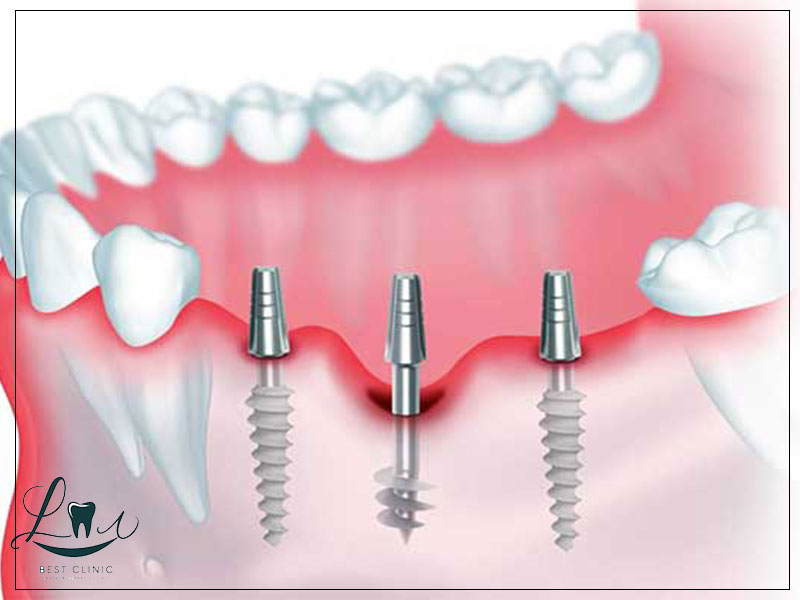
All on 4 vs All on 6 Difference: 9 Important Things Patients Must Know Before Choosing
All on 4 vs All on 6 Difference
Discover the real All on 4 vs All on 6 difference, including cost, durability, comfort, healing, and which option is best for full mouth implants.
All on 4 vs All on 6 Difference: Which Full Mouth Implant Option Is Better?
Losing most or all teeth can deeply affect confidence, eating ability, speech, and overall quality of life. Many patients who struggle with removable dentures begin searching for a permanent solution that looks natural and feels stable.
Two of the most popular treatments today are All on 4 and All on 6 dental implants.
But patients often ask the same question:
What is the real All on 4 vs All on 6 difference, and which option is better?
The answer depends on several important factors, including bone density, long-term stability, budget, oral health, and aesthetic goals.
Both treatments replace a full arch of missing teeth using dental implants, but the number of implants and structural support are different. Understanding these differences is essential before making a life-changing dental decision.
This guide explains everything patients need to know about All on 4 vs All on 6, including costs, benefits, healing time, durability, risks, and how to choose the right option.
What Is All on 4?
All on 4 is a full-mouth dental implant technique that uses four implants to support a complete fixed dental bridge.
The concept was designed to help patients with severe tooth loss regain permanent teeth using fewer implants.
In this technique:
- Two implants are placed vertically in the front
- Two implants are placed at an angle in the back
- A fixed prosthetic bridge is attached
The angled placement helps maximize available bone and often reduces the need for bone grafting.
What Is All on 6?
All on 6 works similarly to All on 4 but uses six implants instead of four.
The additional implants create:
- More support
- Better force distribution
- Increased long-term stability
All on 6 is commonly recommended for patients who have:
- Strong jawbone density
- Higher bite force
- Long-term durability goals
Because more implants support the bridge, chewing pressure is distributed more evenly across the jaw.
All on 4 vs All on 6 Difference: The Main Comparison
The biggest difference is simple:
- All on 4 uses four implants
- All on 6 uses six implants
However, this affects many aspects of treatment.
Quick Comparison Table
| Feature | All on 4 | All on 6 |
|---|---|---|
| Number of Implants | 4 | 6 |
| Stability | High | Very High |
| Bone Support | Good for lower bone density | Better for stronger bone |
| Chewing Strength | Strong | Stronger |
| Cost | Lower | Higher |
| Healing Support | Moderate | Improved |
| Long-Term Load Distribution | Good | Better |
| Surgery Complexity | Simpler | Slightly more complex |
| Implant Failure Risk | Slightly higher pressure per implant | Lower stress per implant |
Which Option Feels More Natural?
Both treatments are designed to feel significantly more natural than removable dentures.
However, All on 6 may provide:
- Better balance
- Increased stability
- More natural bite pressure distribution
Patients with stronger chewing habits often notice greater comfort with six implants because the prosthetic bridge has more support points.
That said, many patients are completely satisfied with All on 4 and experience dramatic quality-of-life improvements.
Bone Density: A Major Factor in Choosing Between Them
Bone quality plays a critical role in deciding between All on 4 and All on 6.
Why All on 4 Is Popular for Bone Loss
All on 4 was specifically designed for patients with reduced bone volume.
The angled rear implants help avoid areas with severe bone resorption.
This often means:
- Fewer bone grafts
- Shorter treatment planning
- Reduced surgical complexity
Why All on 6 May Need More Bone
Because two additional implants are placed, patients usually need:
- More jawbone volume
- Better bone density
- Greater implant support areas
For some patients, bone grafting may still be necessary before treatment.
All on 4 vs All on 6 Difference in Durability
Durability is one of the most important concerns for patients investing in full-mouth implants.
All on 4 Durability
All on 4 can last many years when:
- Implants integrate properly
- Oral hygiene is maintained
- Patients attend regular checkups
Millions of successful All on 4 procedures have been performed worldwide.
All on 6 Durability
All on 6 generally provides:
- Better load distribution
- Less stress on individual implants
- Increased structural support
Because force is spread across six implants instead of four, the system may offer enhanced long-term protection.
This is especially important for:
- Patients with strong bite force
- Teeth grinding habits
- Larger jaw structures
Cost Difference Between All on 4 and All on 6
Cost is another major deciding factor.
Since All on 6 uses:
- More implants
- More materials
- Longer surgery time
…it usually costs more.
Average Price Comparison in Turkey
| Treatment | Average Cost in Turkey |
|---|---|
| All on 4 | €3,500–€7,000 |
| All on 6 | €5,000–€10,000 |
Prices vary depending on:
- Implant brand
- Clinic reputation
- Prosthetic material
- Additional procedures
Even with higher pricing, many international patients still choose Turkey because costs remain significantly lower than in the UK or USA.
Is Healing Different Between All on 4 and All on 6?
Healing is relatively similar for both treatments.
Typical stages include:
- Implant surgery
- Healing period (osseointegration)
- Final prosthetic placement
However, All on 6 may sometimes provide slightly better healing stability because additional implants help distribute force during recovery.
Healing time usually ranges from:
- 3 to 6 months
depending on the patient’s bone condition and overall health.
Which Option Is Better for Chewing Strength?
Chewing performance matters greatly for daily comfort.
All on 4 Chewing Ability
All on 4 provides strong functionality and allows patients to:
- Eat comfortably
- Speak naturally
- Enjoy fixed teeth
Most patients experience major improvement compared to dentures.
All on 6 Chewing Ability
All on 6 may offer:
- Stronger bite support
- Better pressure balance
- Increased confidence with harder foods
Patients who frequently chew hard foods often benefit from the added support.
Aesthetic Differences Between All on 4 and All on 6
From an aesthetic perspective, both treatments can look highly natural when designed properly.
The final appearance depends more on:
- Prosthetic design
- Smile planning
- Dentist experience
- Facial harmony
Rather than the number of implants alone.
Both options can dramatically improve:
- Facial structure
- Smile symmetry
- Lip support
- Confidence
Who Is a Good Candidate for All on 4?
All on 4 may be ideal for patients who:
- Have moderate bone loss
- Want fewer implants
- Prefer lower treatment costs
- Need faster treatment planning
- Want to avoid extensive grafting
It is often chosen by patients who previously struggled with loose dentures.
Who Is a Good Candidate for All on 6?
All on 6 may be recommended for patients who:
- Have stronger jawbone density
- Want maximum stability
- Have higher bite pressure
- Seek long-term reinforcement
- Want additional implant support
Dentists may also recommend All on 6 for younger patients seeking long-term durability.
Risks and Considerations
Like any surgical procedure, both treatments carry potential risks.
These may include:
- Implant failure
- Infection
- Gum inflammation
- Bone loss
- Prosthetic complications
Risk is minimized when treatment is performed by experienced implant specialists using proper planning technology.
Technology Used in Modern Full Mouth Implant Procedures
Advanced clinics often use:
- 3D CBCT imaging
- Digital implant planning
- Guided surgery
- CAD/CAM prosthetics
- Digital smile design
These technologies improve:
- Implant precision
- Healing outcomes
- Prosthetic fit
- Patient comfort
Why Many International Patients Choose Turkey
Turkey has become one of the world’s leading destinations for full-mouth dental implants.
Patients choose Turkey because of:
- Lower treatment costs
- Experienced implant dentists
- Advanced clinics
- Modern technology
- Dental tourism packages
- Faster scheduling
Many clinics provide complete packages including:
- Hotel accommodation
- Airport transfer
- Translators
- Consultation services
Why Choose Lumira Clinic for Full Mouth Implants?
At Lumira Clinic, patients receive personalized treatment plans designed around their oral health, bone structure, and long-term goals.
The clinic focuses on:
- Advanced implant planning
- High-quality implant systems
- Natural smile aesthetics
- International patient care
- Transparent communication
Every patient receives a detailed evaluation to determine whether All on 4 or All on 6 is the better long-term solution.
Final Verdict: All on 4 vs All on 6 Difference
Understanding the real All on 4 vs All on 6 difference is essential before choosing a full-mouth implant treatment.
In general:
All on 4 Is Better For:
- Lower cost
- Reduced bone density
- Fewer implants
- Simpler treatment
All on 6 Is Better For:
- Stronger support
- Enhanced durability
- Better force distribution
- Increased long-term stability
There is no universal “best” option.
The right treatment depends on:
- Bone condition
- Oral health
- Budget
- Lifestyle
- Long-term expectations
A detailed consultation with an experienced implant dentist is the best way to determine which solution fits your needs.
Frequently Asked Questions
What is the main difference between All on 4 and All on 6?
The main difference is the number of implants used to support the full dental bridge. All on 4 uses four implants, while All on 6 uses six.
Is All on 6 stronger than All on 4?
Yes. All on 6 generally provides better load distribution and increased structural support because of the additional implants.
Is All on 4 cheaper than All on 6?
Yes. All on 4 usually costs less because it requires fewer implants and less surgical work.
Which lasts longer: All on 4 or All on 6?
Both can last many years, but All on 6 may provide greater long-term durability due to reduced pressure on each implant.
Which option is better for bone loss?
All on 4 is often better for patients with bone loss because angled implants can maximize available jawbone.
Is healing painful after All on 4 or All on 6?
Most patients experience mild to moderate discomfort after surgery, which is usually manageable with medication.
Can I eat normally with All on 4 or All on 6?
Yes. Both treatments restore chewing ability and provide significantly better stability than removable dentures.
How do dentists decide between All on 4 and All on 6?
Dentists evaluate bone density, oral health, bite force, and long-term goals before recommending the most suitable option.