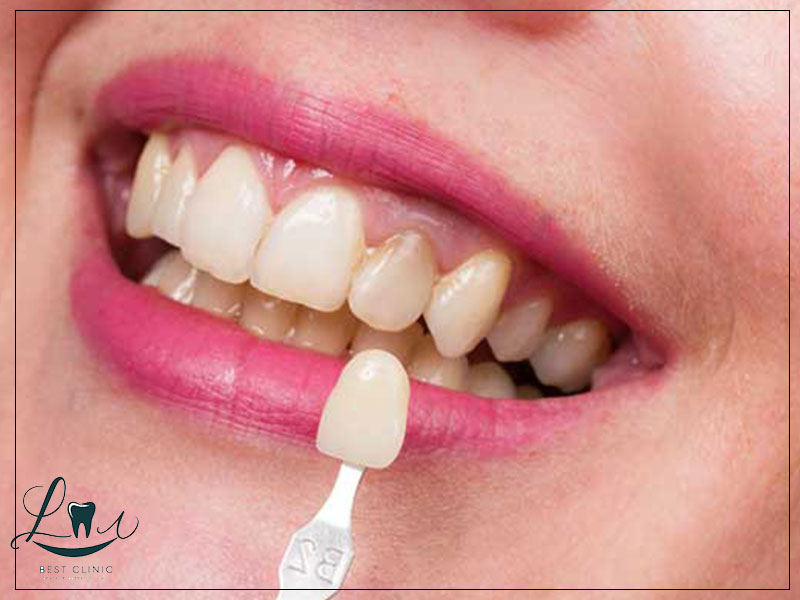
Composite vs Porcelain Veneers: 11 Key Differences You Must Know Before Choosing Your Smile Makeover
Composite vs Porcelain Veneers
Composite vs porcelain veneers: compare durability, cost, aesthetics, and lifespan to choose the best veneer option for your perfect smile.
Introduction
Choosing between composite vs porcelain veneers is one of the most important decisions in cosmetic dentistry. If you are planning a smile makeover, this choice will directly affect how your teeth look, how long they last, and how much you spend.
Both options can dramatically improve your smile, but they are not the same. Composite veneers are quicker and more affordable, while porcelain veneers are stronger, more natural-looking, and longer-lasting.
Understanding the differences between composite vs porcelain veneers helps you avoid disappointment and choose the treatment that matches your expectations, lifestyle, and budget.
In this guide, we break down everything in simple terms so you can confidently decide which veneer type is right for you.
What Are Veneers?
Dental veneers are thin shells placed on the front surface of teeth to improve appearance. They are commonly used to correct:
- Discoloration
- Chipped teeth
- Gaps between teeth
- Minor misalignment
- Worn enamel
There are two main types:
- Composite veneers (direct bonding)
- Porcelain veneers (lab-made ceramic shells)
Now let’s compare them in detail.
Composite vs Porcelain Veneers: Key Overview
| Feature | Composite Veneers | Porcelain Veneers |
|---|---|---|
| Material | Resin-based composite | Medical-grade ceramic |
| Lifespan | 5–7 years | 10–15+ years |
| Aesthetics | Good | Excellent (natural enamel look) |
| Cost | Lower | Higher |
| Stain resistance | Low–medium | High |
| Procedure time | 1 visit | 2–3 visits |
| Repairability | Easy | More complex |
Composite vs Porcelain Veneers: Full Comparison
1. Material Differences
Composite veneers are made from a tooth-colored resin that is sculpted directly onto the teeth.
Porcelain veneers are custom-made in a dental laboratory using high-strength ceramic materials designed to mimic natural enamel.
This difference alone significantly affects durability and aesthetics.
2. Aesthetic Results
When comparing composite vs porcelain veneers, aesthetics is one of the biggest differences.
Composite veneers:
- Slightly less translucent
- Can look artificial under bright light
- May lose shine over time
Porcelain veneers:
- Mimic natural tooth enamel perfectly
- Reflect light naturally
- Maintain gloss for years
Patients seeking a Hollywood smile usually prefer porcelain for its superior natural look.
3. Durability and Strength
Porcelain is significantly stronger than composite resin.
- Composite veneers: prone to chipping and wear
- Porcelain veneers: highly resistant to fracture
This is why porcelain is often recommended for long-term smile transformations.
4. Lifespan Comparison
- Composite veneers: 5–7 years
- Porcelain veneers: 10–15+ years
With excellent oral care, porcelain veneers may last even longer.
5. Stain Resistance
Composite resin absorbs stains over time, especially from:
- Coffee
- Tea
- Red wine
- Smoking
Porcelain veneers, on the other hand, are highly stain-resistant and maintain brightness for years.
6. Procedure Time
Composite veneers
- Completed in one visit
- No lab work required
- Immediate results
Porcelain veneers
- Require impressions and lab fabrication
- Usually 2–3 visits
- More precise and customized outcome
7. Cost Differences
| Treatment | Average Cost Per Tooth |
|---|---|
| Composite veneers | Lower cost |
| Porcelain veneers | Higher cost |
While composite veneers are more budget-friendly, porcelain veneers offer better long-term value due to durability.
8. Repair and Maintenance
- Composite veneers: easy to repair directly in clinic
- Porcelain veneers: difficult to repair; usually replaced if damaged
This is an important factor when choosing between the two.
9. Tooth Preparation
Both treatments require minimal tooth preparation, but:
- Composite veneers often require little to no enamel removal
- Porcelain veneers may require slight enamel reduction for bonding
10. Comfort and Sensitivity
Most patients experience little to no discomfort with either option. However:
- Composite veneers: less invasive
- Porcelain veneers: slightly more preparation but better long-term stability
11. Long-Term Value
Even though porcelain veneers cost more initially, they often provide better value because:
- They last twice as long
- Require fewer replacements
- Maintain aesthetic quality longer
Which Is Better: Composite or Porcelain Veneers?
The answer depends on your goals:
Choose composite veneers if:
- You want a budget-friendly option
- You need quick results
- You want reversible treatment
- You prefer minimal preparation
Choose porcelain veneers if:
- You want a long-lasting smile
- You want the most natural appearance
- You want stain resistance
- You prefer premium cosmetic results
Benefits and Risks of Each Option
Composite Veneers Benefits
- Affordable
- Quick treatment
- Easy to repair
- Less invasive
Composite Veneers Risks
- Shorter lifespan
- Prone to staining
- Less natural shine
Porcelain Veneers Benefits
- Long-lasting (10–15+ years)
- Highly aesthetic
- Stain resistant
- Strong and durable
Porcelain Veneers Risks
- Higher cost
- Requires lab fabrication
- Harder to repair
Why Patients Compare Composite vs Porcelain Veneers in Dental Tourism
Many international patients, especially those traveling for cosmetic dentistry, carefully compare composite vs porcelain veneers before treatment.
Clinics like Lumira Clinic often guide patients based on:
- Smile design goals
- Budget planning
- Long-term expectations
- Facial harmony analysis
In dental tourism destinations like Turkey, porcelain veneers are especially popular due to their premium aesthetic results at more affordable prices compared to Europe or the UK.
Realistic Medical Guidance
Dentists recommend:
- Porcelain veneers for long-term smile makeovers
- Composite veneers for temporary or budget solutions
- Proper bite analysis before treatment
- Night guard for patients with teeth grinding
- Regular dental checkups every 6 months
Choosing the right material depends on both cosmetic goals and oral health condition.
Cost vs Longevity Analysis
| Factor | Composite Veneers | Porcelain Veneers |
|---|---|---|
| Initial cost | Low | High |
| Lifespan | 5–7 years | 10–15+ years |
| Maintenance cost | Medium | Low |
| Replacement frequency | Higher | Lower |
| Long-term value | Moderate | High |
Conversion Section: Why Turkey for Veneers?
Turkey is one of the most popular destinations for veneers due to:
- Advanced cosmetic dentistry technology
- Experienced aesthetic dentists
- Lower treatment costs
- Fast smile makeover procedures
- High-quality dental labs
Clinics such as Lumira Clinic provide full smile design packages combining aesthetics, function, and durability.
Patients often choose Turkey because they can get porcelain veneers at a fraction of Western prices without compromising quality.
Conclusion
The comparison between composite vs porcelain veneers ultimately comes down to your goals, budget, and expectations.
Composite veneers are affordable and fast, making them ideal for short-term solutions. Porcelain veneers, however, offer superior aesthetics, strength, and longevity, making them the preferred choice for full smile transformations.
If you are looking for a long-lasting, natural-looking smile, porcelain veneers are generally the better investment.
FAQs
What is composite vs porcelain veneers?
Composite vs porcelain veneers refers to two types of cosmetic dental treatments used to improve the appearance of teeth.
Which lasts longer, composite or porcelain veneers?
Porcelain veneers last longer, typically 10–15+ years compared to 5–7 years for composite.
Are composite veneers cheaper than porcelain?
Yes, composite veneers are more affordable but less durable.
Do porcelain veneers look more natural?
Yes, porcelain veneers closely mimic natural tooth enamel and reflect light realistically.
Are composite veneers removable?
They are minimally invasive but not fully reversible once bonded.
Which is better for stains resistance?
Porcelain veneers are highly stain-resistant compared to composite.
Can composite veneers be replaced with porcelain later?
Yes, many patients upgrade from composite to porcelain veneers later.
Are veneers painful to get?
No, both treatments are generally painless with minimal discomfort.