Digital Smile Design Process: 8 Powerful Steps to Create Your Perfect Smile (Expert Guide 2026)
Digital Smile Design Process
Digital smile design process explained step by step. Learn how dentists use AI, 3D scans, and facial analysis to design perfect smiles before treatment.
Introduction: Why the Digital Smile Design Process Changes Everything
The digital smile design process has completely transformed modern cosmetic dentistry. Instead of guessing how a smile will look after treatment, dentists now use advanced digital tools to design and preview the final result before any physical work begins.
For many patients, this is the first time they can actually see their future smile before treatment starts.
Traditional dentistry relied heavily on experience and manual measurements. Today, the digital smile design process uses facial analysis, 3D scanning, and AI simulation to create highly precise and personalized smile plans.
This means better accuracy, fewer surprises, and more natural-looking results tailored specifically to your face.
In this guide, we will break down the full process step by step so you understand exactly how modern smile design works and why it is considered the gold standard in cosmetic dentistry.
What Is the Digital Smile Design Process?
The digital smile design process is a technology-driven method used by cosmetic dentists to design, preview, and plan a patient’s new smile before treatment begins.
It combines:
- Facial analysis
- Digital photography
- 3D scanning
- Computer software
- Smile simulation tools
The goal is to create a customized smile that fits the patient’s:
- Face shape
- Lips and smile line
- Teeth proportions
- Personality and aesthetics
👉 Instead of working blindly, dentists follow a precise digital blueprint.
Why the Digital Smile Design Process Is Important
This process is not just a luxury—it is a major advancement in dental accuracy.
Key benefits:
- Eliminates guesswork in cosmetic dentistry
- Improves smile symmetry
- Increases patient satisfaction
- Reduces treatment errors
- Allows preview before treatment
👉 Patients are no longer surprised by the final result—they help design it.
Step-by-Step Digital Smile Design Process
Let’s break down how the digital smile design process works in modern clinics.
Step 1: Facial Photography
High-resolution photos are taken from multiple angles:
- Front view
- Side profile
- Smiling expression
- Resting face
These images help analyze facial balance and proportions.
Step 2: Video Smile Analysis
Short videos are recorded to capture:
- Natural smile movement
- Lip dynamics
- Speech-related tooth exposure
This ensures the smile looks natural in real life, not just in photos.
Step 3: 3D Intraoral Scanning
A digital scanner captures the inside of your mouth.
This creates a precise 3D model of:
- Teeth
- Gums
- Bite alignment
No traditional molds are needed.
Step 4: Facial Analysis Mapping
Dentists analyze facial structure using digital tools.
They study:
- Facial symmetry
- Midline alignment
- Smile arc
- Jaw position
This step ensures harmony between teeth and face.
Step 5: Smile Design Simulation
Now the actual design begins.
Using software, dentists create a virtual version of your new smile.
They adjust:
- Tooth shape
- Tooth size
- Tooth color
- Smile curvature
👉 This is where the transformation becomes visible.
Step 6: Patient Approval Stage
One of the most important parts of the digital smile design process.
Patients can:
- Review their future smile
- Request adjustments
- Compare before/after simulation
This step ensures full control and transparency.
Step 7: Mock-Up Creation
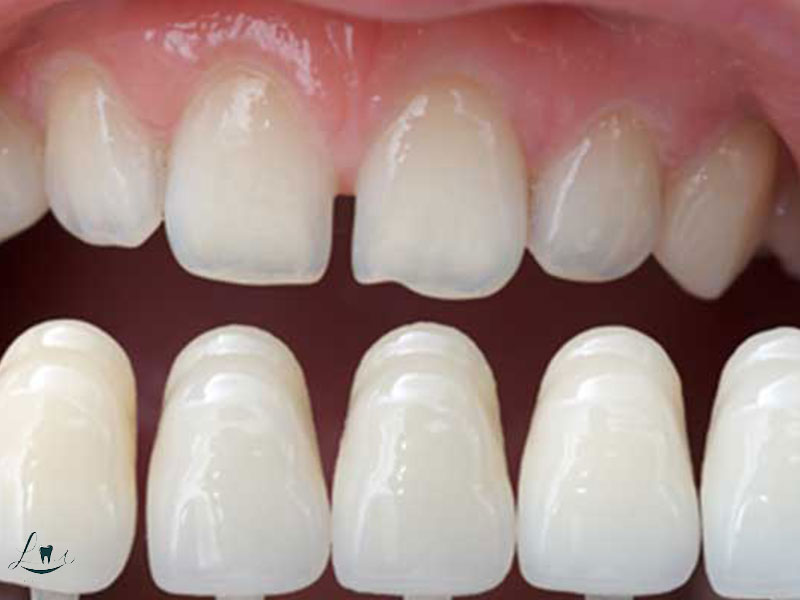
A temporary version of the smile is created in the mouth.
This allows patients to:
- See real-life appearance
- Test comfort and aesthetics
- Make final changes before permanent treatment
Step 8: Final Treatment Execution
Once approved, the actual treatment begins:
- Veneers
- Crowns
- Whitening
- Gum reshaping (if needed)
The final result follows the digital blueprint exactly.
Digital Smile Design Process vs Traditional Method
| Feature | Traditional Dentistry | Digital Smile Design Process |
|---|---|---|
| Planning | Manual | Digital + AI |
| Preview | Not available | Full simulation |
| Accuracy | Medium | Very high |
| Patient involvement | Low | High |
| Predictability | Limited | Excellent |
Benefits of the Digital Smile Design Process
Aesthetic benefits:
- Perfect facial harmony
- Natural-looking smile
- Balanced tooth proportions
Functional benefits:
- Improved bite alignment
- Better long-term stability
- Reduced adjustment needs
Psychological benefits:
- Reduced anxiety
- Confidence before treatment
- Clear expectations
Who Needs the Digital Smile Design Process?
This process is ideal for:
- Veneers patients
- Hollywood Smile treatments
- Smile makeover cases
- Patients with asymmetry
- Anyone wanting predictable cosmetic results
Common Mistakes Without Digital Smile Design
Without this process, patients risk:
- Over-sized teeth
- Unnatural smile appearance
- Poor facial balance
- Color mismatch
- Re-treatment costs
👉 This is why modern cosmetic dentistry strongly depends on digital planning.
Medical Accuracy in Digital Smile Design
The digital smile design process is not just cosmetic—it is clinically structured.
Dentists evaluate:
- Occlusion (bite)
- Gum health
- Tooth wear
- Jaw movement
- Facial biomechanics
This ensures the smile is both beautiful and functional.
Digital Smile Design Technology Explained
Modern clinics use advanced systems such as:
- 3D facial scanners
- AI smile prediction software
- CAD/CAM design tools
- Digital wax-up modeling
These tools make the process extremely precise.
Digital Smile Design Process in Turkey
Turkey is a global leader in digital cosmetic dentistry due to advanced clinics and affordable pricing.
One of the clinics using modern smile design systems is Lumira Clinic
Official website: Lumira Clinic
Digital Smile Design at Lumira Clinic
At Lumira Clinic, the digital smile design process is a core part of every cosmetic treatment.
Their workflow includes:
- Full facial scanning
- AI-driven smile simulation
- Personalized tooth design
- Patient-approved digital preview
- Precision-based veneer planning
👉 Every smile is designed before treatment begins, reducing risk and increasing satisfaction.
Why Patients Prefer Digital Smile Design
Patients choose this process because:
- They can see results before treatment
- It removes uncertainty
- It ensures facial harmony
- It delivers predictable outcomes
- It builds trust with the dentist
Conversion Section: Why This Process Matters for Your Smile
Choosing a clinic that uses the digital smile design process ensures:
- No surprises after treatment
- Fully customized smile design
- Higher success rate
- Long-term aesthetic satisfaction
👉 It is the difference between guessing and scientifically designing your smile.
Final Thoughts
The digital smile design process represents the future of cosmetic dentistry. It combines technology, science, and artistry to create smiles that are not only beautiful but also perfectly matched to each individual face.
Instead of hoping for a good result, patients now see it before it happens.
If you are considering a smile makeover, choosing a clinic that uses digital design is the most important step toward achieving a natural, confident, and long-lasting smile.
FAQs: Digital Smile Design Process
1. What is the digital smile design process?
It is a digital method used to design and preview a smile before dental treatment begins.
2. Is the digital smile design process accurate?
Yes, it uses 3D scans and AI for highly precise results.
3. Can I see my smile before treatment?
Yes, you receive a full digital preview and sometimes a mock-up.
4. Is the process painful?
No, it is completely non-invasive and pain-free.
5. How long does it take?
Usually 1–2 dental visits for full planning.
6. Is digital smile design necessary for veneers?
It is highly recommended for predictable and aesthetic results.
7. Does it improve final results?
Yes, it significantly increases accuracy and patient satisfaction.
8. Is it available in Turkey?
Yes, many advanced clinics including digital dentistry centers offer it.