How Long Do Dental Implants Last? 11 Important Facts Patients Should Know
How Long Do Dental Implants Last?
Discover how long dental implants last, what affects implant lifespan, common risks, maintenance tips, and how to make implants last decades.
How Long Do Dental Implants Last? A Complete Long-Term Guide for Patients
One of the biggest questions patients ask before getting implants is simple:
“How long do dental implants last?”
It is an important question because dental implants are not just cosmetic treatments — they are long-term investments in oral health, confidence, and quality of life.
Many people considering implants want reassurance before committing to surgery and treatment costs. They want to know whether implants can truly provide a permanent solution for missing teeth or whether they will need replacement after a few years.
The good news is that modern dental implants are designed to last for decades. In many cases, they can remain stable for 20 years or longer with proper care.
However, implant lifespan depends on several important factors, including oral hygiene, smoking habits, bone health, implant quality, and dentist experience.
This complete guide explains exactly how long dental implants last, what can shorten their lifespan, and how patients can protect their investment for the long term.
What Are Dental Implants?
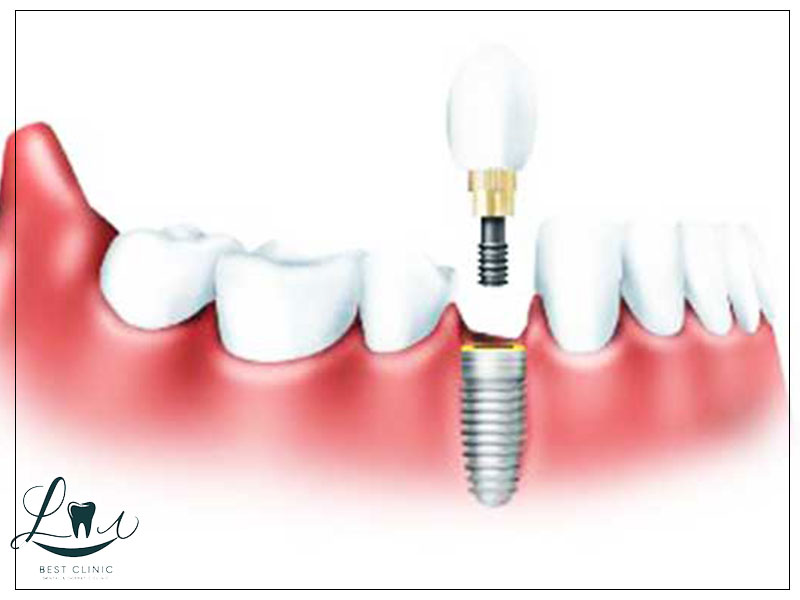
Dental implants are artificial tooth roots made primarily from titanium or zirconia.
They are surgically placed into the jawbone to support:
- Crowns
- Bridges
- Full-mouth restorations
- Implant-supported dentures
Unlike removable dentures, implants integrate directly with the jawbone through a process called osseointegration.
This creates strong, stable support for replacement teeth.
So, How Long Do Dental Implants Last?
In general:
- The implant post itself can last 20 years or more
- Many implants last a lifetime
- The crown or prosthetic attached to the implant may require replacement earlier
Research consistently shows very high long-term success rates for modern dental implants.
Average Lifespan Breakdown
| Implant Component | Average Lifespan |
|---|---|
| Titanium Implant Post | 20+ years |
| Implant Crown | 10–15 years |
| Implant Bridge | 10–20 years |
| Full Mouth Prosthetic | 10–15 years |
The implant fixture inside the bone often lasts longer than the visible restoration placed on top.
Why Dental Implants Last Longer Than Other Tooth Replacements
Dental implants are unique because they replace both:
- The visible tooth
- The tooth root
Traditional solutions like bridges or dentures do not integrate into the jawbone.
This gives implants several advantages:
- Stronger stability
- Better chewing support
- Reduced bone loss
- Improved durability
- Greater resistance to movement
Because implants become part of the jaw structure, they function more like natural teeth.
What Affects How Long Dental Implants Last?
Not all implants last the same amount of time.
Several important factors influence long-term success.
1. Oral Hygiene
Good oral hygiene is one of the biggest factors affecting implant longevity.
Even though implants cannot develop cavities, the surrounding gum tissue can still become infected.
Poor hygiene may lead to:
- Gum inflammation
- Bone loss
- Peri-implantitis
- Implant failure
Healthy Implant Care Includes:
- Brushing twice daily
- Flossing carefully
- Using interdental brushes
- Regular professional cleanings
Patients who maintain strong oral hygiene often keep implants stable for decades.
2. Smoking
Smoking significantly increases implant complications.
Nicotine affects:
- Blood circulation
- Healing speed
- Bone integration
- Gum health
Smokers face higher risks of:
- Implant failure
- Infection
- Bone loss
Heavy smoking can dramatically reduce implant lifespan.
3. Bone Quality
Dental implants rely on healthy jawbone support.
Patients with strong bone density often experience:
- Better implant stability
- Faster healing
- Improved long-term outcomes
Severe bone loss can weaken implant support over time if not treated properly.
4. Implant Placement Quality
The dentist’s experience plays a major role in how long dental implants last.
Proper placement affects:
- Bite force distribution
- Bone integration
- Long-term stability
Modern implant planning uses:
- 3D CBCT scans
- Digital surgical guides
- Computer-assisted planning
Accurate placement reduces complications and improves longevity.
5. Implant Material and Brand
Not all implant systems are identical.
High-quality implant brands often undergo:
- Extensive clinical testing
- Long-term research
- Strict manufacturing standards
Premium implants may provide:
- Better surface technology
- Improved osseointegration
- Stronger durability
Patients should always ask which implant brand is being used.
6. Teeth Grinding (Bruxism)
Teeth grinding places excessive pressure on implants.
Over time, this may lead to:
- Crown fractures
- Implant overload
- Prosthetic damage
Patients with bruxism are often advised to wear night guards to protect implants.
7. General Health Conditions
Some medical conditions may affect healing and implant survival.
These include:
- Uncontrolled diabetes
- Severe osteoporosis
- Autoimmune disorders
However, many patients with controlled health conditions still achieve successful implant outcomes.
Can Dental Implants Fail?
Although implant success rates are very high, failure is still possible.
Implant failure may occur:
- Shortly after surgery
- Years later
Early Implant Failure
Usually caused by:
- Poor healing
- Infection
- Lack of bone integration
Late Implant Failure
Usually linked to:
- Bone loss
- Gum disease
- Excessive bite pressure
- Poor maintenance
Fortunately, most implant complications are preventable with proper care and professional follow-up.
Signs a Dental Implant May Have Problems
Patients should contact their dentist if they notice:
- Implant movement
- Gum swelling
- Pain while chewing
- Bleeding around implants
- Persistent bad breath
- Gum recession
Early intervention can often save the implant.
How to Make Dental Implants Last Longer
Patients play a major role in implant longevity.
Best Ways to Protect Dental Implants
Maintain Excellent Oral Hygiene
Daily cleaning is essential.
Attend Regular Dental Checkups
Professional monitoring helps detect problems early.
Avoid Smoking
Reducing or stopping smoking improves long-term success.
Wear a Night Guard if Needed
Especially important for grinders.
Follow Post-Surgery Instructions
Healing habits strongly affect implant integration.
Choose an Experienced Implant Dentist
Long-term success begins with proper planning and placement.
How Long Do Full Mouth Dental Implants Last?
Full mouth implant systems such as:
- All-on-4
- All-on-6
can also last many years.
Implant Posts
The implants themselves may last decades.
Prosthetic Teeth
The bridge or prosthetic may eventually require:
- Repairs
- Polishing
- Replacement
Long-term durability depends heavily on maintenance and bite balance.
Are Dental Implants Permanent?
Dental implants are considered a permanent tooth replacement solution because the implant itself integrates into the jawbone.
However, the visible crown or prosthetic may wear over time and need replacement after many years of use.
This is normal and does not necessarily mean implant failure.
Dental Implants vs Other Tooth Replacement Options
Many patients compare implants with dentures or bridges.
Comparison Table
| Feature | Dental Implants | Bridges | Dentures |
|---|---|---|---|
| Average Lifespan | 20+ years | 7–15 years | 5–10 years |
| Bone Preservation | Yes | No | No |
| Stability | Excellent | Good | Limited |
| Chewing Ability | Strong | Moderate | Lower |
| Long-Term Value | High | Moderate | Lower |
Implants generally provide the most durable long-term solution.
Do Younger Patients Benefit More From Dental Implants?
Younger patients often benefit significantly because implants may protect jawbone structure for decades.
Replacing missing teeth early can help prevent:
- Facial collapse
- Bone resorption
- Bite imbalance
Long-term oral health preservation is one of the major advantages of implants.
Why Many Patients Travel to Turkey for Dental Implants
Turkey has become one of the leading destinations for implant dentistry.
Patients choose Turkey because of:
- Affordable treatment costs
- Experienced implant specialists
- Modern dental technology
- High-quality clinics
- Comprehensive treatment packages
Many clinics offer:
- Hotel accommodation
- Airport transfers
- International patient coordinators
Compared to countries like the UK or USA, patients can often save thousands of euros while still receiving advanced care.
How to Choose a Clinic for Long-Lasting Dental Implants
Long-term implant success depends heavily on clinic quality.
Patients Should Look For:
- Experienced implant surgeons
- Advanced diagnostic technology
- Transparent treatment plans
- Quality implant brands
- Positive international reviews
- Strong hygiene protocols
The cheapest option is not always the safest option.
Why Choose Lumira Clinic for Dental Implants?
At Lumira Clinic, implant treatments are designed with long-term stability, aesthetics, and patient safety in mind.
The clinic focuses on:
- Advanced digital planning
- High-quality implant systems
- Personalized treatment plans
- International patient care
- Natural-looking restorations
Every patient receives a detailed evaluation to maximize long-term implant success.
Final Thoughts: How Long Do Dental Implants Last?
The answer to how long do dental implants last depends on several factors, but most implants are designed to remain stable for decades.
For many patients, implants become a lifelong solution that restores:
- Confidence
- Oral function
- Smile aesthetics
- Quality of life
The key to long-lasting implants includes:
- Proper planning
- Skilled implant placement
- Good oral hygiene
- Regular dental care
When maintained correctly, dental implants are among the most durable and successful treatments in modern dentistry.
Frequently Asked Questions
How long do dental implants usually last?
Most dental implants last 20 years or longer, and many remain stable for life with proper care.
Can dental implants last forever?
While no dental treatment is guaranteed forever, implants can potentially last a lifetime when maintained properly.
What causes dental implants to fail?
Common causes include smoking, poor oral hygiene, infection, bone loss, and excessive pressure on the implant.
Do implant crowns last as long as implants?
No. The implant post often lasts longer than the crown, which may need replacement after 10–15 years.
Are dental implants stronger than natural teeth?
Implants are extremely strong, but they still require protection and maintenance like natural teeth.
Does smoking reduce implant lifespan?
Yes. Smoking significantly increases the risk of implant complications and failure.
How can I make my dental implants last longer?
Good hygiene, regular dental visits, avoiding smoking, and proper bite protection help extend implant lifespan.
Are full mouth dental implants long-lasting?
Yes. Full mouth implant systems can remain stable for many years when properly maintained.