Immediate vs Delayed Implants: 9 Key Differences Every Patient Must Know Before Treatment
Immediate vs Delayed Implants
Discover immediate vs delayed implants differences, including timing, healing, success rates, costs, and which option is best for your dental condition.
Immediate vs Delayed Implants: A Complete Guide for Patients
When planning dental implant treatment, one of the most important decisions is timing. Patients are often introduced to two main options:
- Immediate implants
- Delayed implants
Understanding the immediate vs delayed implants difference is essential because it directly affects healing, aesthetics, treatment time, and long-term success.
Many patients assume all implants are placed the same way, but in reality, timing strategies vary based on bone condition, infection risk, gum health, and clinical goals.
Some patients can receive an implant on the same day a tooth is removed, while others must wait weeks or months before placement is safe.
This guide explains everything in simple terms so patients can confidently understand which option may be right for them.
What Are Immediate Implants?
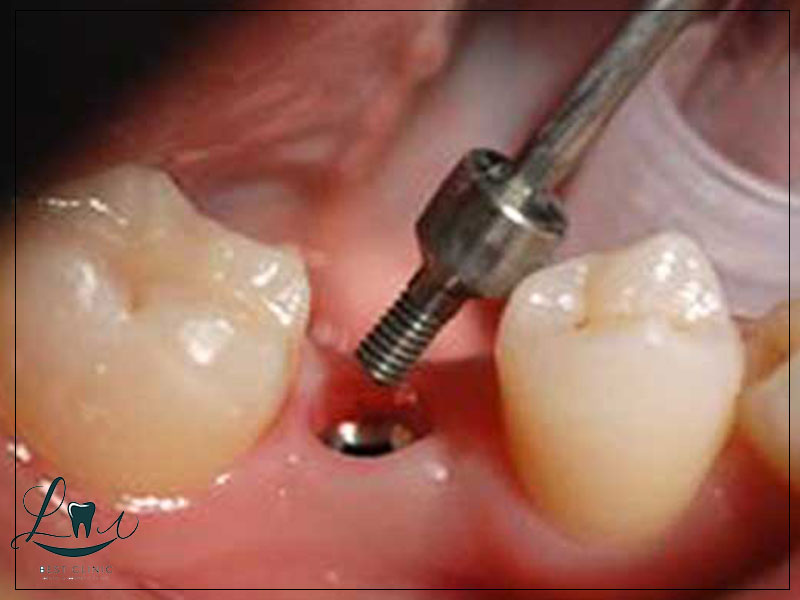
Immediate implants are placed directly into the jawbone on the same day a tooth is extracted.
This means:
- Tooth is removed
- Implant is placed immediately
- Temporary restoration may be added
This approach reduces total treatment time and helps preserve bone structure.
What Are Delayed Implants?
Delayed implants are placed after the extraction site has healed.
This healing period may take:
- 4 to 12 weeks (soft tissue healing)
- 3 to 6 months (bone healing in complex cases)
Delayed placement ensures that the bone and gums are fully ready before implant insertion.
Immediate vs Delayed Implants: The Core Difference
The main difference is timing:
- Immediate implants → placed the same day as extraction
- Delayed implants → placed after healing period
However, this timing difference affects many important factors such as healing, stability, and aesthetics.
Quick Comparison Table
| Feature | Immediate Implants | Delayed Implants |
|---|---|---|
| Timing | Same day extraction | After healing |
| Treatment Duration | Faster | Longer |
| Aesthetic Results | Immediate teeth possible | Delayed smile restoration |
| Bone Conditions | Requires good bone | More flexible |
| Infection Risk | Slightly higher | Lower |
| Healing Stability | Depends on case | More predictable |
| Suitability | Selected cases | Most patients |
How Immediate Implants Work
Immediate implant placement follows a precise surgical protocol.
Step-by-Step Process
- Tooth extraction
- Cleaning of socket
- Bone evaluation
- Implant placement
- Temporary crown (if possible)
The implant is inserted into the fresh socket where the tooth root was located.
How Delayed Implants Work
Delayed implant treatment happens in phases.
Step-by-Step Process
- Tooth extraction
- Healing period
- Bone remodeling
- Implant placement surgery
- Healing phase (osseointegration)
- Final crown placement
This staged approach allows complete healing before implant insertion.
Immediate vs Delayed Implants: Healing Differences
Healing is one of the biggest differences between the two approaches.
Immediate Implant Healing
- Healing starts around fresh extraction site
- Bone adaptation occurs simultaneously
- Requires careful monitoring
Delayed Implant Healing
- Fully healed bone site
- More predictable integration
- Lower inflammation risk
Both approaches lead to successful outcomes when properly planned.
Which Option Has Better Success Rates?
Both immediate and delayed implants have high success rates when performed correctly.
However:
- Delayed implants are slightly more predictable
- Immediate implants depend more on bone quality and surgical precision
Success depends more on:
- Dentist experience
- Bone condition
- Oral hygiene
- Patient health
than timing alone.
Advantages of Immediate Implants
Immediate implants are popular because they offer fast results.
Key Benefits:
- Shorter treatment time
- Fewer surgical visits
- Immediate aesthetic improvement
- Reduced bone loss
- Faster psychological recovery
- Less waiting period
Many patients prefer this option when eligible.
Advantages of Delayed Implants
Delayed implants are considered the safest option in complex cases.
Key Benefits:
- Better bone healing
- Lower infection risk
- Higher predictability
- More stable implant positioning
- Suitable for damaged sockets
This approach is often recommended for medically complex cases.
Risks of Immediate Implants
Although effective, immediate implants may carry slightly higher risks.
Possible Risks:
- Implant instability
- Infection if extraction site is infected
- Insufficient bone support
- Gum recession in some cases
- Need for bone grafting
Careful case selection reduces these risks significantly.
Risks of Delayed Implants
Delayed implants are generally safer but require longer treatment time.
Possible Limitations:
- Longer overall treatment duration
- Temporary tooth loss period
- Bone shrinkage before placement
- Additional grafting may be required
Despite this, outcomes are highly predictable.
When Are Immediate Implants Recommended?
Immediate implants are suitable when:
- Bone is healthy and strong
- No active infection is present
- Extraction site is clean
- Gum tissue is stable
- Patient maintains good oral hygiene
Dentists evaluate these factors carefully before approval.
When Are Delayed Implants Recommended?
Delayed implants are preferred when:
- Infection is present
- Bone is damaged or weak
- Severe gum disease exists
- Multiple extractions are needed
- Complex bone grafting is required
This approach ensures better long-term stability.
Aesthetic Differences Between Immediate and Delayed Implants
Immediate implants often provide:
- Faster smile restoration
- Immediate temporary teeth
- Better psychological comfort
Delayed implants provide:
- More controlled gum shaping
- More precise final aesthetics
- Better long-term tissue stability
Final appearance depends more on planning than timing alone.
Cost Differences Between Immediate and Delayed Implants
In general:
- Immediate implants may reduce total visits
- Delayed implants may increase treatment stages
However, overall cost difference is usually small.
Cost Influencing Factors:
- Bone grafting needs
- Number of implants
- Temporary restorations
- Clinic technology
- Surgeon experience
Which Is Less Painful: Immediate or Delayed Implants?
Pain levels are usually similar for both procedures.
Immediate Implants:
- Combined extraction + implant surgery
- Slightly more initial discomfort
Delayed Implants:
- Separate surgical stages
- Easier individual procedures
Both are performed under anesthesia, making them manageable.
Recovery Time Comparison
| Stage | Immediate | Delayed |
|---|---|---|
| Initial Healing | 1–2 weeks | 1–2 weeks |
| Bone Integration | 3–6 months | 3–6 months |
| Total Treatment Time | Faster overall | Longer overall |
Immediate implants reduce total treatment duration significantly.
Bone Preservation: Which Is Better?
Immediate implants often help preserve bone because:
- Implant is placed immediately into socket
- Bone shrinkage is reduced
- Natural contour is maintained
Delayed implants may experience:
- Some bone resorption before placement
This is an important factor in aesthetic zones.
Final Decision: Immediate vs Delayed Implants
There is no universal “best” option.
The choice depends on:
- Bone condition
- Infection status
- Gum health
- Aesthetic goals
- Medical history
- Dentist evaluation
Both methods can achieve excellent long-term success when properly planned.
Why Many Patients Choose Turkey for Implant Treatment
Turkey has become a global destination for implant dentistry due to:
- Advanced digital dentistry
- Experienced implant surgeons
- Affordable treatment costs
- Modern clinical technology
- Fast treatment scheduling
Many clinics also offer:
- Accommodation support
- Airport transfers
- Multilingual coordination
Why Choose Lumira Clinic for Dental Implants?
At Lumira Clinic, implant treatments are planned with precision using advanced diagnostic tools.
The clinic focuses on:
- Digital implant planning
- Patient-specific treatment design
- High-quality implant systems
- Safe surgical protocols
- International patient care
Each case is carefully evaluated to determine whether immediate or delayed implants offer the best long-term outcome.
Final Thoughts on Immediate vs Delayed Implants
Understanding the immediate vs delayed implants difference is essential before starting treatment.
Both options are highly successful when properly selected:
- Immediate implants → faster results and fewer visits
- Delayed implants → more predictable healing and stability
The best choice depends entirely on your oral condition and professional evaluation.
With modern dentistry, both approaches can restore:
- Function
- Aesthetics
- Confidence
- Long-term oral health
Frequently Asked Questions
What is the main difference between immediate and delayed implants?
Immediate implants are placed the same day as extraction, while delayed implants are placed after healing.
Are immediate implants safe?
Yes, when performed in suitable cases with good bone and no infection.
Do delayed implants last longer?
Both can last equally long; success depends more on care and technique.
Is immediate implant surgery painful?
No, it is performed under anesthesia, with mild post-operative discomfort.
Why choose delayed implants?
They are safer in complex cases or when infection or bone loss is present.
Can everyone get immediate implants?
No, eligibility depends on bone quality and oral health condition.
Which heals faster: immediate or delayed implants?
Immediate implants shorten total treatment time, but healing phases are similar.
What is the success rate of both types?
Both have high success rates when properly planned by an experienced dentist.