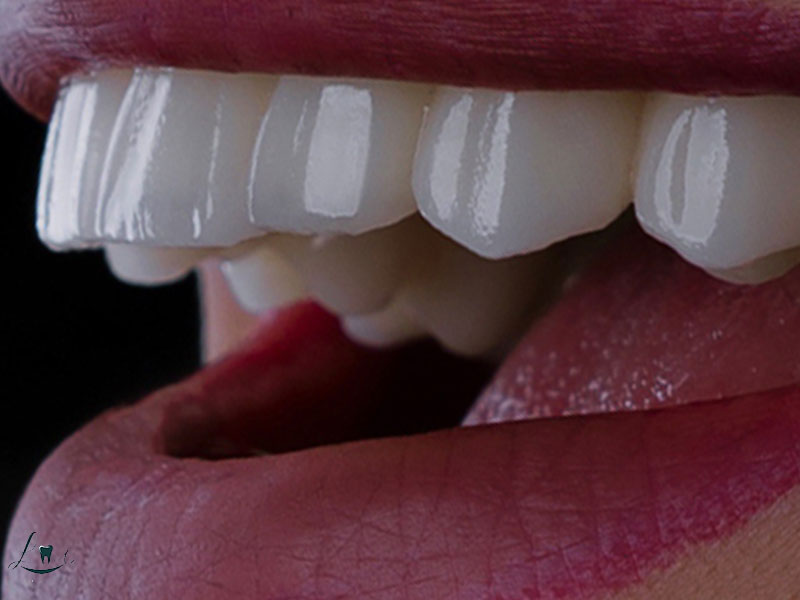
Signs of Bad Veneers: 12 Clear Warning Signs You Should Never Ignore After Dental Treatment
Signs of Bad Veneers
Signs of bad veneers explained: learn 12 warning indicators, risks, causes, and how to identify poorly done veneers before complications worsen.
Introduction: Why Recognizing Signs of Bad Veneers Matters
Veneers are one of the most popular cosmetic dental treatments for achieving a perfect smile. But not every result is successful. Many patients begin searching for signs of bad veneers after noticing discomfort, unnatural appearance, or functional problems following treatment.
Bad veneers are not just a cosmetic issue—they can affect your bite, gum health, and long-term dental stability.
The good news is that early detection makes a huge difference.
In this guide, we will break down the signs of bad veneers in a clear, medical, and patient-friendly way so you can identify problems early and understand what to do next.
What Are Veneers and Why Quality Matters
Veneers are thin shells placed on the front surface of teeth to improve:
- Shape
- Color
- Alignment
- Overall smile aesthetics
However, successful veneer treatment depends on:
- Proper tooth preparation
- Accurate bite alignment
- High-quality materials
- Skilled cosmetic planning
When any of these steps are poorly done, visible problems appear—known as signs of bad veneers.
Signs of Bad Veneers: 12 Critical Warning Signs
Below are the most important indicators that your veneers may not have been done correctly.
1. Veneers Look Too Bulky or Fake
One of the most obvious signs of bad veneers is unnatural thickness.
Problems include:
- Teeth look oversized
- “Blocky” smile appearance
- No natural contour
Good veneers should blend seamlessly with natural teeth.
2. Extremely White or Artificial Color
While patients want white teeth, overly bright shades can look unnatural.
Warning signs:
- Opaque, chalky appearance
- No translucency at edges
- Same color across all teeth
Natural teeth have depth and variation.
3. Gum Irritation or Redness
Healthy veneers should not cause gum problems.
If you notice:
- Swollen gums
- Bleeding when brushing
- Persistent irritation
This may indicate poor fit or overhanging edges.
4. Bad Breath or Unpleasant Taste
This is a serious sign of bad veneers and often means:
- Food trapping around veneers
- Bacterial buildup
- Poor sealing at gum line
5. Veneers Feel Too Thick When Talking
Speech changes can occur when veneers are incorrectly designed.
Symptoms include:
- Lisping
- Difficulty pronouncing certain words
- Feeling “foreign object” in mouth
6. Uneven Bite or Jaw Discomfort
If your bite feels off, veneers may not be aligned properly.
You may experience:
- Jaw pain
- Headaches
- Uneven chewing pressure
7. Sensitivity to Hot and Cold
Tooth sensitivity after veneers can signal:
- Excessive enamel removal
- Poor bonding technique
- Exposed dentin
8. Visible Gaps Between Veneers and Gums
Gaps allow bacteria to enter, leading to:
- Decay under veneers
- Gum inflammation
- Bad odor
9. Veneers Chipping or Cracking Easily
High-quality veneers should last years.
Frequent damage may indicate:
- Weak material
- Poor bonding
- Bite misalignment
10. Veneers Don’t Match Natural Teeth
Mismatched aesthetics are a major sign of bad veneers:
- Different shades between teeth
- Uneven shapes
- Poor symmetry
11. Gum Recession Around Veneers
If gums start pulling back, it may be due to:
- Aggressive tooth preparation
- Poor margin placement
- Chronic irritation
12. Teeth Feel Loose or Unstable
Although rare, this is a serious warning sign:
- Weak bonding
- Structural damage to natural tooth
- Advanced gum issues
Comparison Table: Good Veneers vs Bad Veneers
| Feature | Good Veneers | Bad Veneers |
|---|---|---|
| Appearance | Natural and balanced | Fake or bulky |
| Gum health | Healthy and pink | Inflamed or receding |
| Bite comfort | Stable | Painful or uneven |
| Speech | Normal | Difficulty speaking |
| Durability | Long-lasting | Prone to damage |
Why Bad Veneers Happen
Understanding signs of bad veneers also requires knowing why they occur.
Common causes include:
- Poor smile design planning
- Over-preparation of teeth
- Low-quality materials
- Lack of specialist experience
- Rushed dental tourism treatments
How to Identify Problems Early
If you suspect issues, watch for:
Early warning steps:
- Compare your smile to before treatment
- Check gum response after brushing
- Notice any speech changes
- Observe bite comfort when chewing
Early detection prevents long-term damage.
What to Do If You Notice Signs of Bad Veneers
If you recognize any signs of bad veneers, take action:
Step 1: Do not ignore symptoms
Small issues can worsen over time.
Step 2: Visit a cosmetic dentist
Get a professional evaluation.
Step 3: Take digital scans
To check bonding and alignment.
Step 4: Explore correction options
These may include:
- Veneer replacement
- Gum treatment
- Bite adjustment
Medical Insight: Why Veneer Quality Matters
From a clinical perspective, veneers are not just cosmetic—they affect:
- Bite function
- Gum stability
- Long-term tooth health
Poorly placed veneers can cause irreversible damage to natural teeth.
Dental Tourism and Veneer Quality
Many patients traveling abroad for cosmetic dentistry experience both excellent and poor results.
Countries like Turkey offer advanced cosmetic dentistry, but quality varies between clinics.
Clinics such as Lumira Clinic focus on:
- Digital smile design
- Conservative tooth preparation
- High-quality ceramic materials
- Functional bite alignment
This reduces the risk of developing signs of bad veneers after treatment.
How to Prevent Bad Veneers Before Treatment
Prevention is always better than correction.
Before getting veneers:
- Ask for digital smile preview
- Review real patient cases
- Check dentist specialization
- Confirm material type (E-max preferred)
- Ensure bite analysis is included
Psychological Impact of Bad Veneers
Poor cosmetic results can affect:
- Self-confidence
- Social interactions
- Emotional well-being
That is why choosing the right clinic is critical.
Conversion Insight: What Good Veneers Should Feel Like
Good veneers should feel:
- Natural when speaking
- Comfortable when chewing
- Invisible in daily life
- Harmonious with facial features
If they feel “wrong,” it is often one of the signs of bad veneers.
FAQ: Signs of Bad Veneers
1. What are the most common signs of bad veneers?
Bulky appearance, gum irritation, sensitivity, and uneven bite are key signs.
2. Are bad veneers painful?
They are not always painful, but discomfort and sensitivity are common.
3. Can bad veneers be fixed?
Yes, they can often be corrected or replaced depending on the issue.
4. Why do veneers look fake sometimes?
Poor design, wrong shade selection, or lack of translucency causes unnatural looks.
5. How long should good veneers last?
High-quality veneers can last 10–15 years or more.
6. Do bad veneers damage teeth?
Yes, poorly done veneers can lead to enamel loss or gum problems.
7. Can gums recover after bad veneers?
In many cases, yes—after treatment or replacement.
8. How do I avoid bad veneers?
Choose an experienced cosmetic dentist with digital planning and verified results.